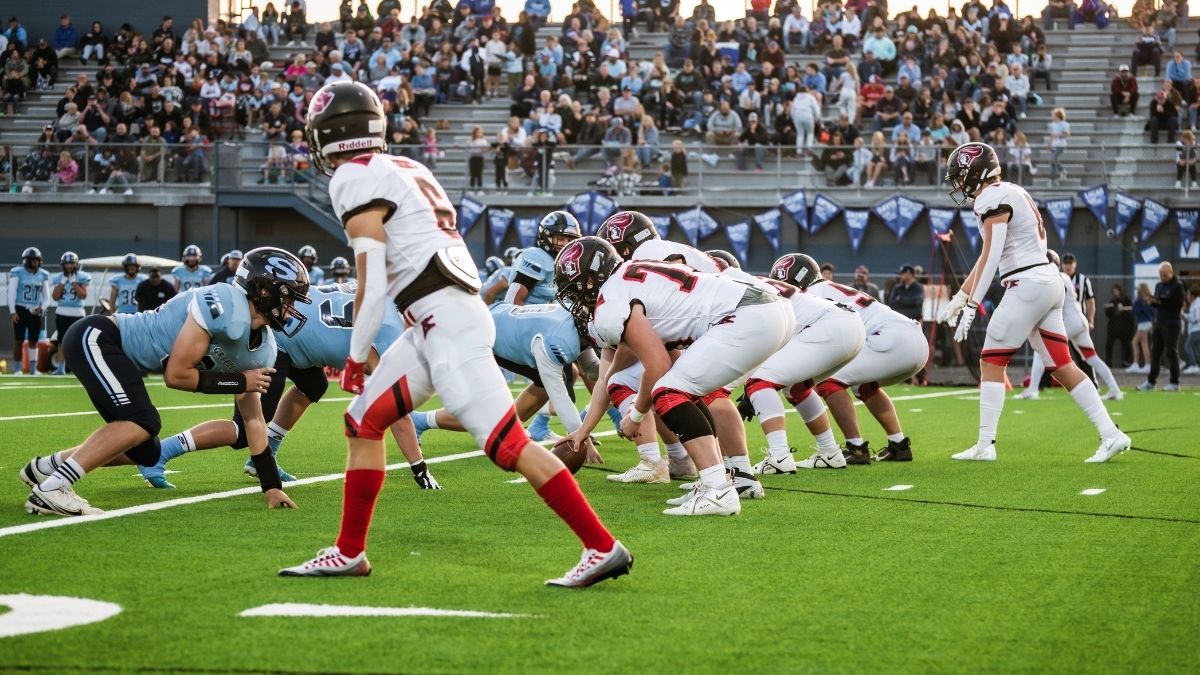
As elite national teams gear up for critical competitions, the shadow of injury looms large, threatening to alter preparations and performance expectations. The intricate dance between player fitness and team readiness is becoming increasingly precarious, as unforeseen sports injuries disrupt strategic plans across the board. This turbulent landscape demands acute attention to athlete health and recovery, compelling coaching staffs and management to navigate an evolving terrain marked by uncertainty and resilience. In the midst of high-stakes training phases, these injury developments not only challenge player availability but also impact the tactical frameworks and morale within squads, highlighting the fragile balance between peak performance and physical vulnerability.
En bref :
- Top national teams face critical challenges as injuries to key players emerge during essential training phases.
- Player replacements and depth are being tested due to multiple sports injuries impacting team preparation.
- Strategic adaptations are necessary to maintain match readiness ahead of pivotal games and tournaments.
- Monitoring and managing athlete health is more important than ever to secure competitive balance and maintain momentum.
- Teams like the United States face roster uncertainties with injury replacements from various NHL teams on standby, showcasing cross-league collaboration.
Impact of Injury Developments on National Team Preparations and Player Fitness
When national teams approach a crucial preparation phase, the physical health of athletes becomes the linchpin of success. Injury developments during this period severely impact team dynamics and match readiness, calling into question the ability of squads to perform at their peak. Sports injuries, ranging from upper-body ailments to debilitating infections, force coaching staffs to constantly reevaluate their player fitness strategies and lineup configurations.
Take, for example, Team USA’s ongoing challenges at the 4 Nations Face-Off tournament. Multiple injuries to key players such as forwards Brady and Matthew Tkachuk have raised significant doubts about their availability for the gold medal game. Brady’s recent illness and Tkachuk’s absence due to injury underscore the fragility of maintaining peak athlete health during intense competitions. With just 12 forwards and six defenders available, the team has had to designate injury replacements in the form of NHL players Brett Pesce and Tage Thompson, who remain on standby. Yet, these players cannot participate unless the roster dips below certain thresholds, underscoring the delicate balance teams must manage to sustain competitive viability.
These scenarios reveal the complexities national squads face in the training phase, juggling not only physical rehabilitation but also tactical adjustments necessitated by unexpected absences. The constant flux requires teams to prioritize recovery protocols and ensure that those who are fit maintain optimal readiness. The very fine line between pushing players to reach peak fitness and risking long-term injury becomes a central concern in this critical window.
| Player | Injury Type | Team | Impact on Preparation | Current Status |
|---|---|---|---|---|
| Matthew Tkachuk | Upper-body injury with infection | Team USA | Missed final round-robin game, uncertain for gold medal | Recovering, doubtful |
| Brady | Illness | Team USA | Missed practice before gold medal game | Fighting fit |
| Charlie McAvoy | Upper-body injury and infection | Boston Bruins | Sent to hospital, out of tournament | Unknown recovery timeline |
| Quinn Hughes | Injury (pre-tournament withdrawal) | Vancouver Canucks | Did not participate in the tournament | Staying with Canucks |
Understanding the depth of injury developments reveals why national teams must plan beyond ideal circumstances. The fluidity of athlete health means coaching decisions need to be adaptable and swift. Moreover, preserving the physical and mental welfare of players during high-intensity training phases proves pivotal in navigating these hurdles. Fans and analysts alike are keenly observing these developments, understanding that the outcome of the tournament hinges not only on tactics but also on the resilient management of player fitness and recovery.
How Sports Injuries Shape Team Preparation Strategies in High-Stakes Competitions
Training phases demand precise calibration between pushing athletes toward peak performance and preventing injuries that could jeopardize match readiness. The prevalence of sports injuries within national teams disrupts this delicate balance, forcing coaching staffs to modify preparation programs and reconsider player rotations.
Take into account that injuries don’t just remove players from the active roster—they create ripple effects throughout the team’s tactical identity. For instance, the absence of a defensive stalwart can compel a team to adopt a more conservative approach, or might thrust less experienced players into high-pressure roles prematurely. This strategic upheaval can be detrimental but also opens opportunities for emerging talents who have been waiting in the wings.
- Adjusting practice intensity and volume to align with individual recovery timelines helps mitigate the risk of further injury.
- Implementing alternative conditioning methods such as aquatic therapy or low-impact cardio enables training continuity without compromising health.
- Flexible lineup strategies allow coaches to adapt formations and roles swiftly as injuries dictate.
- Enhancing communication between medical staff and coaches ensures timely decisions regarding player readiness and minimizes risks.
- Prioritizing mental health support helps athletes cope with the psychological effects of injury and interrupted preparation.
The stakes are heightened in tournaments where every game counts toward qualification or advancement. For example, Team USA’s practice of traveling injury replacements like Tage Thompson and Brett Pesce to the site of a crucial gold medal game highlights how teams hedge against last-minute fitness setbacks. While Thompson is known for his goal-scoring prowess and Pesce for his steadfast defense, neither can officially join the lineup unless injury thresholds are breached. This scenario underlines the tight regulations governing player eligibility but also speaks to the ingenuity teams must apply in managing their resources.
| Strategy | Description | Expected Outcome |
|---|---|---|
| Progressive Load Management | Gradually increasing training intensity to match recovery status | Reduced injury recurrence and better athlete longevity |
| Role Redistribution | Shifting responsibilities among players to compensate for absences | Maintained tactical flexibility and match readiness |
| Medical-Support Integration | Synergizing coaching and medical inputs for real-time decisions | Optimized player fitness and minimized risk of exacerbation |
A well-orchestrated preparation strategy acknowledging the realities of injury developments proves to be a cornerstone for teams aiming for success under pressure. By reconfiguring training and fostering a culture that embraces adaptability, teams enhance their resilience and increase the likelihood of emerging stronger in unforgiving competitive environments.
Recent NFL Injury Trends and Their Effects on Team Dynamics Heading into Playoffs
The NFL’s 2024 season has been marred by a series of significant injuries that have rattled several franchises, altering playoff trajectories and reshaping team power rankings. Star players facing long-term absences see their teams scrambling to fill voids, shifting offensive and defensive strategies mid-season. The ripple effect of these injuries extends beyond just the health of individual athletes, influencing the broader competitive balance across the league.
Examining some of the season’s most impactful injuries reveals the profound challenges teams grapple with to sustain competitiveness:
- Jets’ quarterback suffering a torn Achilles in the opener forced an overhaul of offensive strategies around backup quarterback Zach Wilson, disrupting cohesion and offensive rhythm.
- Bengals’ star quarterback hampered by a calf strain has impaired mobility, weakening offensive effectiveness and straining top wide receivers such as Ja’Marr Chase.
- Dolphins’ Tyreek Hill battling a hip flexor injury has led to a heavier reliance on the running game, showing how individual health can compel systemic tactical shifts.
- Vikings’ standout receiver Justin Jefferson missing due to hamstring issues has underscored vulnerabilities in team depth and forced retooling of the passing offense.
- 49ers offensive guard Trent Williams’ knee troubles have severely hampered the running game, impacting key players like Christian McCaffrey and causing playoff viability concerns.
- Titans’ running back Derrick Henry’s foot injury curtailed his power running, pushing rookie quarterback Will Levis into a more demanding leadership role.
- Buccaneers linebacker facing shoulder problems has weakened run defense, showing the defensive struggle created by pivotal personnel losses.
The collective impact of these injuries has caused fluctuations in the team power rankings and prompted franchises to consider roster reinforcements. For example, the Detroit Lions made a strategic acquisition of linebacker Roquan Smith from the Bears to stabilize their defense.
| Player | Injury | Team | Impact | Team Response |
|---|---|---|---|---|
| Aaron Rodgers | Torn Achilles | Jets | Loss of starting QB, offensive overhaul | Backup QB adaptation |
| Joe Burrow | Calf strain | Bengals | Reduced mobility, offensive stagnation | Scheme adjustments |
| Tyreek Hill | Hip flexor injury | Dolphins | Increased run game reliance | Offensive shifts |
| Justin Jefferson | Hamstring injury | Vikings | Depth exposed, offensive restructuring | Lineup changes |
| Trent Williams | Knee issues | 49ers | Running game frustrated | Playoff uncertainty |
| Derrick Henry | Foot injury | Titans | Power running curtailed | Increased QB responsibility |
| Linebacker | Shoulder issues | Buccaneers | Run defense weakened | Defensive adjustments |
With these developments, the path to the playoffs has become a complex puzzle, where injury management is as critical as game-day execution. Fans and pundits consulting the latest NFL injury reports understand the gravity injury developments wield in defining the postseason landscape.
How NFL Injuries Influence Playoff Contention and Team Resilience
As the NFL approaches the climactic postseason, injury ramifications extend far beyond individual player setbacks. The playoff picture morphs constantly as teams confront diminished depth and altered strategies due to health challenges. What was once a predictable trajectory for teams like the Jets or Bengals now resembles a turbulent journey filled with uncertainty.
Key injury developments have introduced new variables into playoff scenarios:
- Jets’ quarterback injury has turned a once-promising season into a frantic battle for a playoff spot.
- Bengals face questions about offensive efficiency with Joe Burrow’s calf strain limiting his mobility.
- Teams facing injury-plagued rosters must rely heavily on bench depth and strategic ingenuity to remain competitive.
- Players returning too early or mismanaged rehab may face setbacks that imperil team efforts.
- Matchup advantages shift when opponents face lineups missing key stars, influencing playoff seeding and outcomes.
These shifts underscore the importance of roster management and medical oversight in the crucible of team preparation. The resilience shown by franchises adapting to these circumstances often dictates the difference between playoff glory and early exits. Being informed about ongoing injury roundups and reports helps fans appreciate the nuanced battles behind the scenes.
| Team | Injury Impact | Playoff Challenge | Adaptation Strategies |
|---|---|---|---|
| New York Jets | Loss of star QB rodgers | Wild card hunt intensified | Backup QB development, playbook overhaul |
| Cincinnati Bengals | Quarterback mobility limited | Offensive stagnation | Scheme shifts, focus on receiver routes |
| Miami Dolphins | Key wide receiver injured | Reliance on run game increased | Shift in offensive emphasis |
| Minnesota Vikings | Depth at wide receiver thin | Passing game restructuring | Lineup and strategy modifications |
Ultimately, the unfolding drama of injury developments impacts the NFL’s competitive fabric, influencing team morale, fan engagement, and playoff outcomes. It is in this volatile mix that championships are either forged or lost.
Cross-Disciplinary Lessons on Managing Injuries and Enhancing Athlete Recovery
Beyond football, the lessons learned from managing injury developments within national teams resonate across sports disciplines. Controlled recovery, innovative rehabilitation techniques, and holistic health policies have become pillars of successful team preparation.
Teams that excel in the face of adversity often share these common practices:
- Proactive injury prevention programs designed to reduce the occurrence of sports injuries during training and competition.
- Use of advanced sports medicine techniques such as cryotherapy, platelet-rich plasma (PRP) therapy, and motion analysis to fast-track athlete healing.
- Integration of psychological support systems to bolster mental resilience and facilitate smoother recovery processes.
- Collaboration among multi-disciplinary teams including coaches, medical experts, nutritionists, and sports scientists to optimize player fitness.
- Implementing precise workload management that balances training demands with adequate rest and rehabilitation.
For instance, the case of Team USA’s judicious use of injury replacements and stringent monitoring of athlete readiness highlights how adaptive strategies can keep teams on track despite health setbacks. Meanwhile, NFL teams’ reliance on continuous injury evaluation and strategic roster modifications exemplify the evolving nature of team preparation amid the unpredictability of injuries.
Fans looking to delve deeper into these approaches can explore the latest injury updates and expert analyses, which offer granular insights into how teams navigate the balance between training intensity and recovery. This dynamic interplay defines not only the immediate prospects of teams but also the broader evolution of sports injury management and athlete health preservation.
| Practice | Purpose | Benefit |
|---|---|---|
| Proactive Prevention | Reduce injury risk during activities | Fewer interruptions, sustained athlete availability |
| Advanced Therapies | Accelerate healing timelines | Shorter recovery periods, improved performance |
| Mental Health Support | Address psychological impact of injuries | Higher resilience, better long-term outlook |
| Multi-disciplinary Collaboration | Holistic approach to fitness | Optimized player readiness and team cohesion |
| Workload Management | Balance between training and rest | Reduced risk of burnout and re-injury |
Ultimately, these cross-disciplinary lessons not only bolster immediate team preparation but serve as a blueprint for sustainable athlete health management across the sports world.
How do injury replacements work in national team competitions?
In national team competitions, injury replacements are typically allowed when a team’s roster falls below a certain number due to injuries or illnesses. These players may travel with the team but cannot participate until officially activated according to tournament regulations.
What strategies help teams maintain player fitness during injury crises?
Teams prioritize progressive load management, enhanced communication between medical staff and coaches, flexible lineup formations, and alternative conditioning methods to maintain player fitness and reduce the risk of further injuries.
How do injuries affect NFL playoff scenarios?
Injuries to key players can significantly alter team dynamics and chances in the playoffs by forcing tactical adjustments, limiting player availability, and affecting team morale, which collectively reshapes the competitive landscape.
What are some modern approaches to athlete recovery in high-intensity sports?
Modern athlete recovery focuses on proactive prevention, cutting-edge medical therapies like PRP, psychological support, collaborative multidisciplinary care, and precise workload management to optimize healing and readiness.
How critical is mental health support during sports injury recovery?
Mental health support is essential during injury recovery, as it helps athletes manage the psychological impact of injuries, maintain motivation, and fosters resilience, which can positively influence physical healing and return to play.