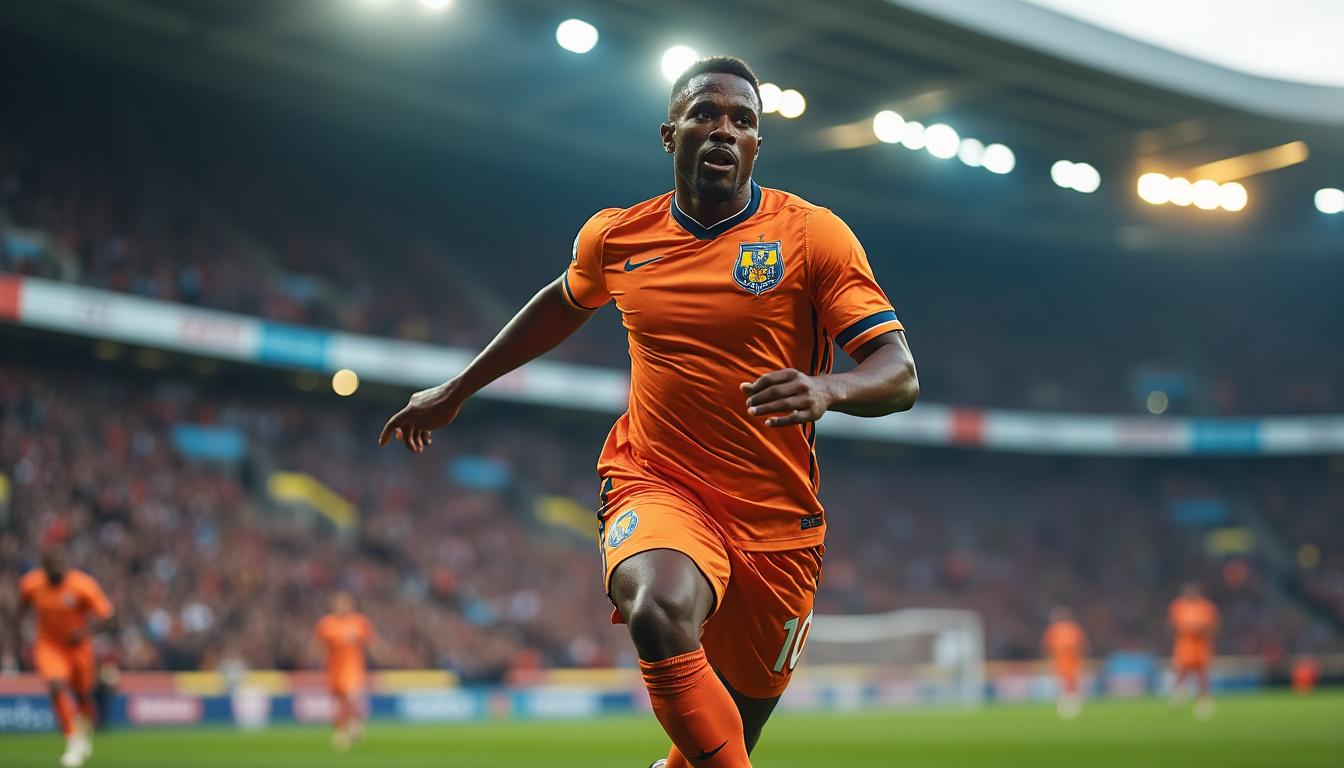
The football landscapes across North and South America are undergoing profound shifts as the 2020s progress, with clearer form trends emerging that redefine the sport on both continents. From evolving tactical approaches to increasing player performance analytics, the game’s fabric is being rewoven. Driven by rising investment, youth development programs, and expanding professional leagues, football – both American football and soccer – is cementing its influence culturally and economically in unprecedented ways. As traditional playing styles meet innovative strategies, fans and analysts alike witness a transformation that transcends borders, challenging long-standing norms and creating fresh rivalries and narratives.
At the heart of these shifts are the contrasting yet converging dynamics in North American football—heavily marked by the NFL’s data-centric evolution—and the South American passion for tactical flair rooted in soccer development, influencing even American football ventures. The rise of analytic-driven coaching, form trends dictating player recruitment, and continental influences blending tactics and athleticism are forging new identities for teams and players. Even off the field, media coverage and fan engagement strategies reshape the way football is consumed, further accelerating its growth trajectory.
Key points at a glance:
- Emerging form trends highlight a tactical evolution in North American football, emphasizing data-driven approaches and player efficiency.
- South American football is witnessing grassroots expansions, hybrid tactical systems, and integration of football analytics to boost performance.
- The interplay between American football and soccer development is influencing training methods, athlete recruitment, and fan culture across the Americas.
- Youth programs and international collaborations are strengthening continental football, narrowing the gap between North and South American levels.
- Technological innovations and media strategies are redefining how fans connect with the game amid growing competition from alternative entertainment.
Revolutionizing North American Football: Tactical Shifts and Form Trends
North American football continues on a trajectory shaped decisively by tactical innovation and the integration of football analytics. As teams seek marginal gains, the role of data in shaping player performance has never been more significant. The latest form trends reveal a strong focus on optimizing offensive efficiency, defensive adaptability, and special teams’ precision, all driven by a more scientific approach to strategy. As highlighted in recent analyses, squads with elite offensive lines and versatile backfields dominate possession, enabling multi-dimensional attacks that are harder to predict and stop.
Several key factors define the shift in North American football’s tactical landscape:
- Emphasis on player efficiency markers: Player tracking technologies enable coaches to analyze in-depth metrics such as acceleration bursts, route running precision, and defensive positioning to tailor game plans.
- Dynamic play calling with real-time adjustments: Advances in sideline technology facilitate quicker decision-making, allowing coordinators to respond instantly to opposition tendencies.
- Hybrid player roles emerging: Modern athletes now blend linebacker speed with defensive back agility, forcing offenses to adapt and diversify play selections.
- Special teams innovation: Enhanced focus on field position battles incorporates analytics-driven punt and kickoff strategies.
These trends reflect a growing acknowledgement that football evolution in North America is not just about brute strength anymore but about strategic mastery and precision execution. The rise of form trends aligned with football analytics creates a feedback loop that improves scouting, player conditioning, and in-game tactics.
| Trend | Description | Impact |
|---|---|---|
| Player Efficiency Analytics | Use of advanced tracking data to evaluate individual contributions beyond traditional stats | Higher precision in recruitment and role assignments |
| Real-Time Tactical Adjustment | Sideline tech enables live changes to plays and defensive schemes | Increased offensive unpredictability and defensive resilience |
| Hybrid Player Roles | Roles combining speed, coverage, and tackling abilities | Enhanced flexibility challenging standard formations |
| Special Teams Analytics | Data-driven decisions for punts, kickoffs, and field goals | Better field position control and scoring opportunities |
For fans keen to stay updated on these evolving dynamics, sources like the latest tactical trend reports offer comprehensive insights. Enthusiasts recognize that the North American football landscape is entering a new era where form trends could dictate league hierarchies and playoff outcomes.

South American Football Expansion: From Soccer Roots to Gridiron Growth
South American football landscapes have traditionally been synonymous with soccer development, where artistry and passion reign supreme. However, the last decade’s trends reveal a compelling diversification—American football is gaining momentum, introducing new tactical paradigms and fostering player performance through structured programs. This evolution reflects a cross-pollination between the continent’s soccer heritage and emerging gridiron enthusiasm.
In countries such as Brazil, Argentina, and Colombia, investment in youth leagues and coaching education has created vibrant pipelines for young athletes. This momentum is further bolstered by the International Federation of American Football’s (IFAF) outreach efforts which focus on raising football standards and orchestrating continental competitions. The integration of football analytics into training regimens helps coaches monitor form trends, making players better prepared for fast-paced, physical American football contests.
South American football developments now emphasize:
- Hybrid training methodologies: Combining soccer agility drills with American football strength conditioning.
- Increased adoption of tactical defensive systems: Borrowing strategies from North American football but adapting them to local athletic profiles.
- Flag football as an entry point: Widely promoted in schools to lower injuries while introducing foundational skills.
- Community-driven club expansions: Local teams grow through grassroots funding and international coach exchanges.
A tangible impact is seen in the rise of South American players entering collegiate programs in the U.S. and professional leagues worldwide. These form trends signify that the gap between North and South American football is narrowing fast, creating opportunities for dynamic continental matchups and talent exchanges.
| Focus Area | Approach | Outcome |
|---|---|---|
| Youth Development | School-based leagues and flag football programs | Broader participation and safer introduction to tackle techniques |
| Coach Education | Workshops and certifications driven by IFAF collaborations | Higher quality training and tactical awareness |
| Club Funding | Community sponsorships and international partnerships | Sustainable growth of teams and leagues |
| Player Pathways | Scholarship routes to North American and European programs | Enhanced exposure and professional opportunities |
For a deeper perspective on how South American football is adapting and thriving, the rising football talent reports highlight inspiring success stories and developmental breakthroughs. The regional football evolution presents a fascinating juxtaposition with the dominant discourses in North America.
The growing popularity of football, spearheaded by tactical shifts and form trends, shows that both continents are more interconnected than ever before through this sport. As training excellence and football analytics gain traction, so does the quality and excitement of continental football.
Cross-continental Influences: Interplay Between North and South American Football Cultures
The exchange between North and South American football cultures has intensified, reflecting a vibrant blend of tactical ideas, training innovations, and player skill sets that enrich the football landscapes on both continents. North American teams increasingly scout for athletic talent in South America, while South American leagues incorporate more structured coaching and analytics pioneered in the U.S.
This mutual influence is articulated through several key trends:
- Hybrid training camps: Organized programs inviting coaches and players across continents to share expertise combining speed, agility, and tactical awareness.
- Player performance monitoring: Use of uniform analytics platforms for consistent evaluation across different environments.
- Cultural exchange events: International friendlies and tournaments boosting visibility and engagement.
- Talent migration: South American players making noticeable impacts in North American leagues, inspiring further recruitment.
These dynamics suggest a future where football landscapes become less geographically isolated. Teams use form trends and football analytics not only domestically but also transcontinentally, allowing a globalized approach to player and game development.
| Influence Area | North American Contribution | South American Contribution |
|---|---|---|
| Training Techniques | Data-driven regime, position-specific drills | Agility and creativity-focused conditioning |
| Talent Development | Analytic-based scouting and workouts | Emphasis on foundational skills and passion |
| Fan Engagement | Multimedia and social media innovations | Community-centric events and grassroots support |
| Strategic Playstyles | Structured, complex schemes | Intuitive, adaptive tactics |
Resources such as the football news updates serve as essential hubs for followers of these cross-continental shifts, providing timely coverage of how these interactions influence the sport’s evolution. The seamless connection created by these trends promises a richer, more competitive continental football scene.
Technology and Entertainment: Redefining Football Fan Engagement Across the Americas
In a 2025 world saturated with diverse entertainment options, football’s growth depends heavily on integrating cutting-edge technology with fan engagement strategies. Both North and South American football landscapes face stiff competition from streaming platforms, eSports, and on-demand content. To stay relevant, leagues and teams adopt innovations that leverage digital interactivity and immersive experiences to maintain and expand their fan bases.
Core innovations redefining fan experiences include:
- Interactive streaming: Enabling fans to choose camera angles, access real-time stats, and participate in live polls during games.
- Augmented and virtual reality: Immersive game-day experiences accessible from home or localized fan zones.
- Enhanced social media integration: Real-time highlights, behind-the-scenes content, and player interaction through multiple platforms.
- Advanced fantasy football and betting tools: Engaging fans with personalized, data-driven game predictions and contests.
Such technologies not only attract younger demographics but also deepen the connection of long-time fans who crave richer narratives and tactical insights. By combining entertainment trends and football analytics in innovative ways, the sport elevates itself above other leisure activities competing for attention.
| Technology | Description | Fan Impact |
|---|---|---|
| Interactive Media Platforms | Multi-angle streaming and integrated stats apps | Customizable viewing experiences |
| Augmented/Virtual Reality | Immersive game environments and fan engagement | Enhanced realism and emotional involvement |
| Social Media Enhancements | Real-time content and player-fan interaction | Community building and engagement |
| Fantasy and Betting Integration | Data-driven contests and predictions | Increased participation and stakes |
Staying informed about how these trends influence football’s future is crucial. The coverage found in Friday football briefings offers compelling updates and breakdowns of technology’s role in the evolving sport entertainment ecosystem. Committed fans watch eagerly as their beloved game transforms to keep pace with an increasingly digital society.
Growing Continental Football Rivalries: How Form Trends Amplify Competition
With the emergence of clearer form trends and the convergence of tactical innovations, continental football rivalries are intensifying. There’s a fresh, palpable energy as North and South American teams meet either in exhibition matches, tournaments, or increasingly interconnected developmental contests. These rivalries not only spur higher player performance but also excite fans, contributing to a richer football culture across the hemisphere.
Key elements fueling this competitive wave include:
- Data-informed scouting: Teams leverage analytics to identify and prepare for opponents effectively.
- Continental playoff-style events: Promoting high-stakes contests that elevate motivations and exposure.
- Shared developmental pathways: Cross-border academies and coaching exchanges refining athletes’ forms and techniques.
- Integrated media coverage: Amplifying fan engagement through shared broadcasts and storytelling.
This evolving scenario generates fascinating matchups and, crucially, fosters a sense of unity through respectful competition. Fans see how tactical shifts and football analytics help underline the differences and similarities of North and South American football styles, contributing to the game’s global narrative.
| Competitive Factor | Description | Impact on Rivalries |
|---|---|---|
| Analytics-Based Scouting | Detailed opponent profiling and strategy planning | Sharper game plans and closer matches |
| Continental Tournaments | Intercontinental playoff events for club and national squads | Heightened stakes and fan excitement |
| Developmental Collaborations | Joint training academies and coaching programs | Improved player form and tactical knowledge |
| Media Synergy | Shared broadcasting and storytelling initiatives | Expanded fan bases and deepened rivalries |
For ongoing coverage on this evolving competition scene, fans and analysts can consult specialized sources like the midseason football trend analysis to track how form trends influence these continental football landscapes. It is as much about tradition as it is about innovation, and both aspects are shaping the sport’s thrilling future.
How are tactical form trends influencing North American football?
Tactical form trends in North American football emphasize efficient player roles, real-time adjustments, and hybrid positions, driven by football analytics to increase competitiveness and precision.
What role does IFAF play in South American football development?
The International Federation of American Football (IFAF) coordinates international competitions, supports youth programs, and promotes coaching education, serving as a key driver of South American football growth.
How do technological advancements enhance fan engagement?
Technologies like interactive streaming, augmented reality, and social media integration offer personalized viewing and immersive experiences, attracting a broader and younger fan base.
Why are continental rivalries important for football’s future?
Continental rivalries driven by form trends and analytics boost player performance, fan excitement, and media interest, fostering sustained growth and cultural exchange across Americas.
What are the primary differences between North and South American football approaches?
North American football focuses on data-driven strategy and player efficiency, while South American football blends soccer-influenced agility and creative tactics, resulting in complementary evolution across continents.