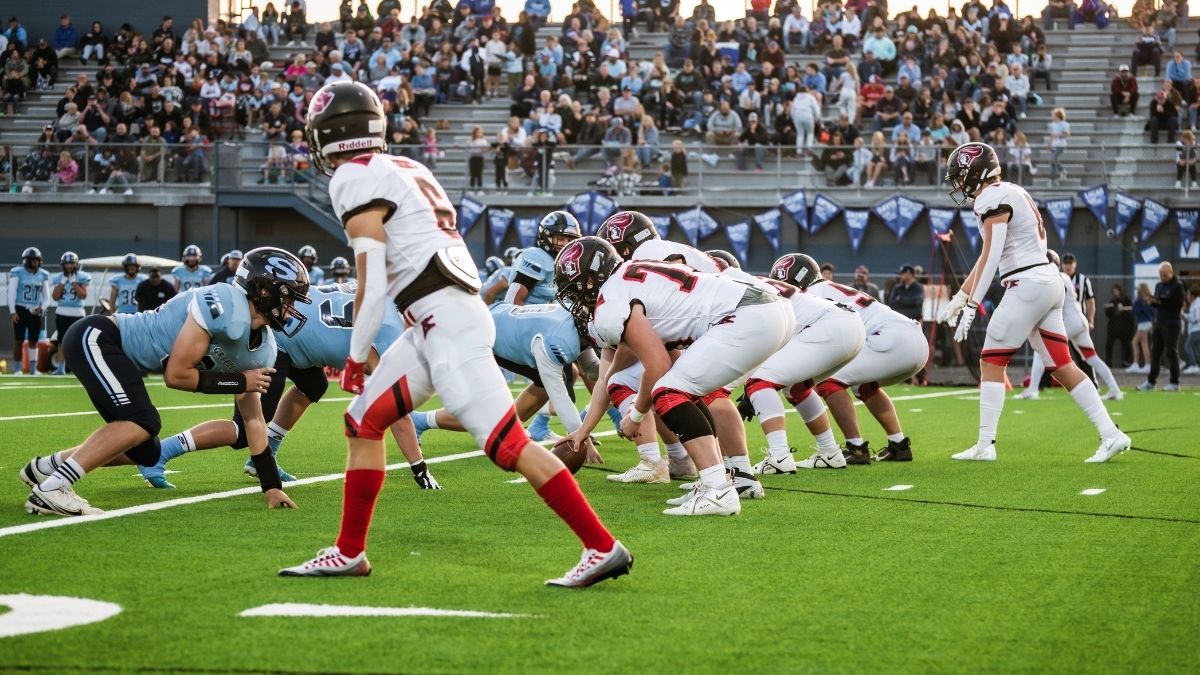
The NFL and international soccer landscapes buzz with activity as injury insights and team call-ups dominate headlines this November 12. The latest roundup reports shed much-needed light on player recovery stages, detailed return timelines, and the evolving minutes management strategies teams are employing amidst congested fixture schedules. National call-ups consistently impact team dynamics, influencing preparation and game readiness in both club and country contexts. With critical matches and playoff implications on the horizon, the management of training status and injury alerts has never been more pivotal.
At the heart of this chatter are players navigating injury setbacks while vying for spots in national squads. Defender Sean Zawadzki’s anticipated return to the United States men’s national team training camp stands as a key chapter in this ongoing narrative. Coupled with persistent attention to minutes management, these developments are shaping the tactical and physical execution teams can offer on game day. For fans and analysts alike, a robust injury roundup is vital for understanding both on-field prospects and broader league implications.
Comprehensive Injury Insight: National Call-Ups and Their Impact on Team Dynamics
National call-ups frequently intersect with injury insight to create a complex landscape for players and coaches. In this latest phase, the United States men’s national team (USMNT) has called up three Columbus Crew players for the November training camp: defender Sean Zawadzki, midfielder Max Arfsten, and goalkeeper Patrick Schulte. Their inclusion underscores the importance of monitoring player recovery timelines closely while balancing club commitments and national duties.
Sean Zawadzki’s return journey offers a textbook example of how injuries can alter call-up plans. After a knee injury sidelined him in June and a subsequent setback at the USMNT September camp, his November inclusion marks a vital milestone in his controlled recovery and minutes management. The USMNT camp, running from November 9 through 18, includes friendlies against Paraguay and Uruguay, which serve as opportunities for the coaching staff to assess players’ game readiness under high-pressure international conditions.
Injury Alerts and Player Recovery Monitoring
Teams employ advanced injury tracking tools and player recovery protocols to optimize performance and avoid re-injury. The well-orchestrated minutes plans ensure that call-ups like Schulte, who is overcoming an oblique injury, can gradually increase workload intensity. These injury alerts and training status updates factor heavily into decisions about who returns to the pitch and when.
Maintaining open communication between club and national team medical staff has become an indispensable facet of player management. For example, Zawadzki’s knee issues led to withdrawals from previous camps—a clear instance where patient recovery is prioritized. This transparency fosters coordinated game-time minutes allocation, benefiting both entities and preserving the athlete’s long-term health.
| Player | Injury | National Camp Call-Up | Return Timeline | Minutes Management Strategy |
|---|---|---|---|---|
| Sean Zawadzki | Knee Injury (Repeated) | Nov 9–18 USMNT Camp | Progressive Return after Sept Setback | Limited Minutes, Gradual Workload Increase |
| Max Arfsten | Healthy | Nov 9–18 USMNT Camp | Full Training Participation | Standard Game Time |
| Patrick Schulte | Oblique Injury Recovery | Second Consecutive Call-Up | Gradual Return after Summer Absences | Close Monitoring, Controlled Minutes |
Game Readiness Factors for National Team Call-Ups
Player readiness involves multidimensional evaluations: physical fitness, psychological resilience, and tactical adaptability. The friendlies against Paraguay on November 15 and Uruguay on November 18 provide a crucial platform for measuring how these call-ups integrate under scrutiny. With the MLS Cup playoffs pausing after round one for this FIFA break, timely return timelines and precise minutes management interplay to guarantee that players arrive battle-ready when playoffs resume on November 22.

Minutes Management: Balancing Player Workload During Intense Seasons
Minutes management is evolving as an indispensable strategy to prolong athlete longevity and optimize team performance across both club and international competitions. With congested match calendars and escalating physical demands, coaches are tasked with crafting detailed game plans that allocate playing time judiciously while factoring in injury alerts and player recovery stages.
For Columbus Crew’s players in national camps, the delicate act of balancing workloads underscores the broader trend sweeping through professional football. Limiting playing minutes for those returning from injury is not merely about health preservation; it directly influences game outcomes by ensuring players can perform at top levels without regression. Tools like real-time injury reports and training status trackers help staff make informed decisions about whom to field and for how long.
- Incremental advancement in minutes played during friendly matches.
- Use of GPS tracking and biometric data to monitor exertion levels.
- Prioritization of recovery sessions in training schedules.
- Integrated communication plans between club medical teams and national staff.
- Tailored rehabilitation programs aligned with upcoming match demands.
| Minutes Management Aspect | Purpose | Practical Application |
|---|---|---|
| Workload Limitation | Prevent Overuse Injuries | Restrict play time during friendlies and club matches |
| Recovery Emphasis | Accelerate Healing | Allocate additional rest days and physiotherapy |
| Performance Optimization | Maintain Peak Conditioning | Use tech data to fine-tune training intensity |
| Communication Coordination | Ensure Consistent Care | Share injury updates between club/national teams |
Case Studies: Management Strategies Impacting Return Timelines
Sean Zawadzki’s phased comeback after knee injuries exemplifies benefits from sophisticated minutes management. His gradual increase in minutes during USMNT training sessions, paired with careful physiotherapy, aims at full competitive readiness safeguarding against recurrences. Meanwhile, goalkeeper Patrick Schulte’s measured approach following oblique injuries follows similar principles prioritizing long-term availability over short-term fixes.
Such strategic management has implications beyond individual health. Teams equipped with well-rested and fit athletes maintain competitive edge and depth, critical as challenges mount deeper into the season and playoffs. This approach reflects forward-thinking stewardship that acknowledges the unforgiving nature of the sport and the paramount importance of player welfare.
Return Timeline Projections and Their Influence on Team Lineups
Return timeline assessments have become a staple within injury insight and team return trackers guiding tactical decisions across leagues. These projections blend medical expertise with player performance data to establish expected availability dates. In 2025, increasing reliance on data analytics bolsters the precision of such forecasts.
The November USMNT friendly window brings fresh data on player conditions. For instance, Sean Zawadzki’s presence in camp after multiple setbacks suggests a near-term return, but with carefully limited minutes. Similarly, goalkeeper Patrick Schulte’s second consecutive call-up signals steady advancement on his return timeline. The inclusion of longtime camp participant Max Arfsten points to a robust, injury-free core that stabilizes squad selections.
- Weekly medical assessments to update recovery progress.
- Integration of training performance metrics to tweak timelines.
- Adjustment of gameplay plans depending on player availability.
- Strategic reserve player utilization to compensate for delayed returns.
- Continual updates fed into broader league injury reports, such as weekly injury reports by Football Americana.
| Player | Current Status | Expected Return | Impact on Lineups |
|---|---|---|---|
| Sean Zawadzki | Active in National Camp | Late November 2025 | Gradual Reintegration to Starting XI |
| Patrick Schulte | Limited Minutes Expected | December 2025 | Backup Goalkeeper Role with a Potential Start |
| Max Arfsten | Full Availability | Immediate | Starter and Key Midfielder |
Team Strategies Around Player Return Timelines
Effective use of these timelines allows coaches to optimize competition rosters, tailoring game plans in anticipation of player readiness. Teams often initiate substitute rotations or shift formations to ease returning stars back into peak condition. Given the pause in MLS Cup playoffs until November 22 following the FIFA break, these weeks become golden opportunities to fine-tune minutes and ensure preparedness.
Roundup Reports: Monitoring Multiple Players and Their Recovery Progress
Roundup reports present a panoramic view of injury status and recovery in teams and leagues. For fans tracking the pulse of competitions, these reports weave together injury alerts, training updates, and minutes management insights into a coherent narrative. The interplay between club and country obligations often creates challenges in maintaining peak fitness levels, but it also highlights exceptional dedication among players.
Beyond the Columbus Crew, several noteworthy cases across professional football illustrate a shared culture of resilience and adaptation. As injuries threaten to disrupt team cohesion, coaches and medical staff collaborate to construct individualized recovery roadmaps that integrate cutting-edge rehabilitation technology.
- Systematic injury tracking software providing real-time updates.
- Player-specific recovery benchmarking to measure progress.
- Strength and conditioning program adjustments to support healing.
- Use of psychological support to enhance mental readiness.
- Transparent communication fueling trust between players, coaches, and medical teams.
| Player | Injury Detail | Recovery Phase | Return Projections | Notes |
|---|---|---|---|---|
| Sean Zawadzki | Repeated Knee Injury | Phase 3: Progressive Load | Late Nov 2025 | Monitoring Knee Stability |
| Patrick Schulte | Oblique Injury | Phase 2: Controlled Activity | Dec 2025 | Close Minutes Management |
| Max Arfsten | None | Fully Fit | Immediate | Consistent Camp Participant |
| Aidan Morris | Fully Healthy | Fully Integrated | Immediate | Playing in EFL Championship |
Dynamic Adaptation of Training Status and Minutes Plans
One of the core values in modern football is adaptability. Training status and minutes plans are neither static nor predictable; instead, they flex in response to injury signals and player feedback. The USMNT’s evolving lineup for November friendlies exemplifies this approach, balancing urgency for positive results with caution dictated by player welfare.
As the MLS postseason resumes, these principles will continue to influence substitutions, tactical formations, and even player selection decisions. Each team’s injury roundup becomes a strategic asset, fostering informed decisions amid a season rife with physical challenges.
How do teams decide minutes allocation for players returning from injury?
Teams rely on medical assessments, biometric data, and player feedback to allocate minutes gradually, aiming to balance game readiness with injury prevention.
What role do national team camps play in a player’s recovery process?
National camps provide structured environments where players are monitored closely, allowing coaching and medical staff to assess fitness and adjust minutes and training accordingly.
Why are injury alerts important for fans and fantasy football players?
Injury alerts keep fans and fantasy managers informed on player availability and health status, directly impacting game strategies and lineup decisions.
How do MLS playoffs affect player injury management?
The MLS playoffs break offers critical rest time that teams use strategically to recover injured players and manage their minutes ahead of intense postseason matches.
Can data analytics improve player return timelines?
Indeed, leveraging performance and medical data allows more accurate return timeline projections, helping teams plan better for competitions and manage risks effectively.