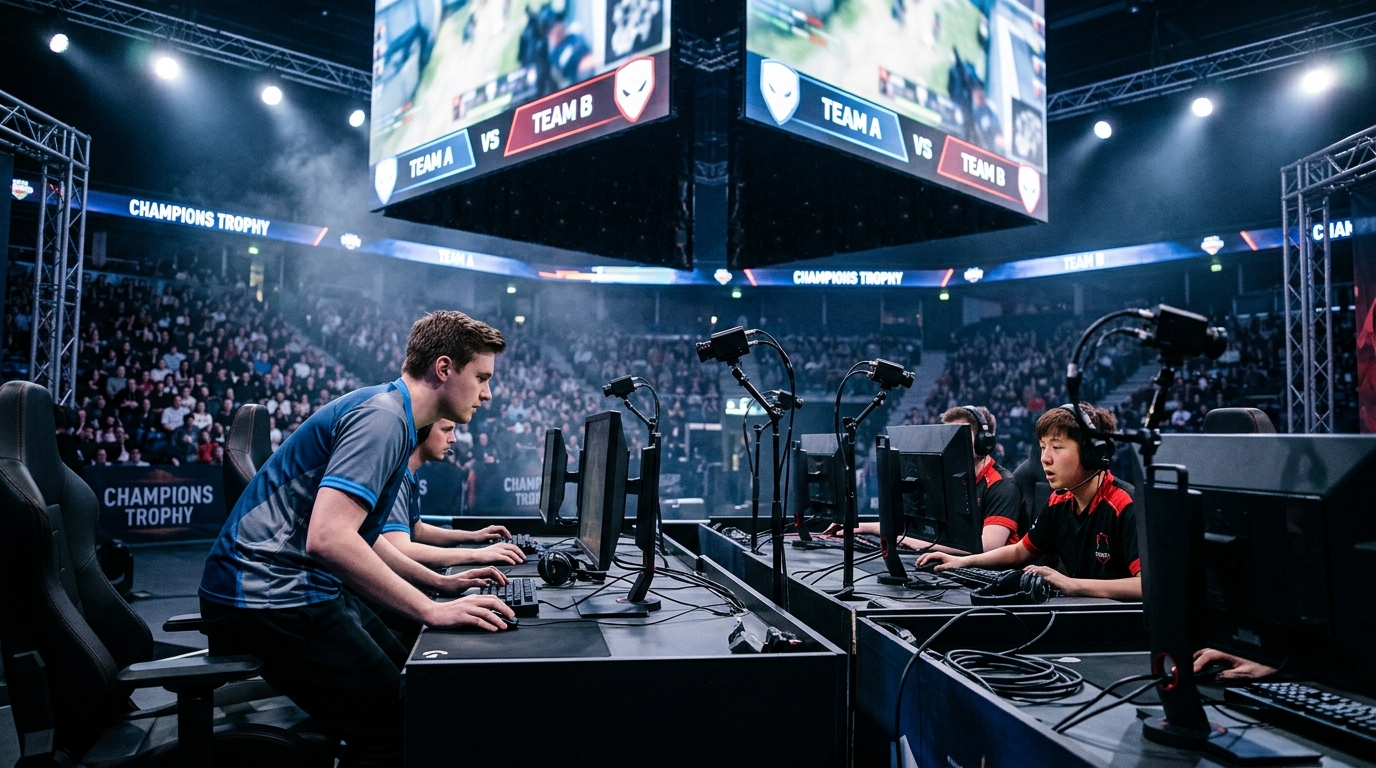
The clock ticked into the final minute. On the minimap, three defenders anchored the B site, refusing to budge. Attackers, stretched thin by a flawless split-push, scrambled into a desperate rotation. In these moments, when every pixel mattered, map control wasn’t just a concept, it was the difference between victory and defeat.
The Evolution of Map Control: From Passive Holds to Aggressive Pressures

Map control in esports began as a defensive discipline. Early metas saw teams bunker down, holding angles and waiting for opponents to make the first mistake. As professional play matured, so did the systems underpinning territory management. Teams realized that simply occupying space wasn’t enough; the real battle was for information, tempo, and initiative.
Formations shifted. The once-standard 2-1-2 split gave way to dynamic 1-3-1 and 2-2-1 structures. The 1-3-1, especially, has become the go-to for squads prioritizing mid control in games like Counter-Strike and Valorant. With three players in central corridors, teams can pressure both flanks and respond to threats with fluid rotations. Central overload enables quick pivots. If the defense overcommits to one site, attackers can instantly reverse the play, exploiting gaps created by their own presence.
Pressing systems transformed as well. The current meta rewards proactive map denial: utility isn’t just used to stall pushes, but to seize space early and choke off key sightlines. Smokes, flashes, and molotovs are layered in sequences that isolate defenders, forcing them to cede ground or risk being picked off. Recent performance metrics show that teams with the highest round win percentage on defense combine early map pressure with disciplined fallback protocols. They rarely overextend, but never give up too much ground without a fight.
Player Roles and Team Dynamics: The Anatomy of Map Domination

Map control hinges on more than just formations. Success depends on synchronizing roles and responsibilities. The in-game leader orchestrates the first wave of utility. Entry fraggers probe for weaknesses. Lurkers, often invisible on the scoreboard, punish overrotations and keep defenders honest on the far side of the map. Flex players fill the gaps, adapting to the evolving state of play.
Recent tournaments have underscored the value of these dynamics. Statistical analysis reveals that teams with high mid-round adaptation rates, those able to quickly switch their point of attack, win nearly 15 percent more rounds than squads locked into rigid site hits. Flexibility stems from superior map awareness and communication. In matches between top contenders, the ability to feint a site take, drain defenders’ utility, and then collapse on an exposed bombsite has swung the outcome of entire series.
Head-to-head records make the point even sharper. Teams known for aggressive map control, those consistently topping the charts in recent tournaments, post higher average opening kill ratios and lower first-death rates.
| Team | Avg. Opening Kill Ratio | First-Death Rate | Round Win % |
|---|---|---|---|
| Aggressive Squad | 1.21 | 0.78 | 62% |
| Passive Squad | 0.97 | 1.10 | 51% |
Map control isn’t just a defensive asset. It’s a springboard for attack. When teams seize territory, they force rotations, create information gaps, and open the door for clutch plays.
Today’s competitive landscape is defined by these battles for space and information. Formations shift on the fly. Pressing systems are tailored to the opponent. Player roles are drilled to perfection. The next time the minimap lights up with a flurry of movement, the outcome won’t hinge on who lands the shots, it will come down to who commanded the map, and who bent the geometry of play to their will.