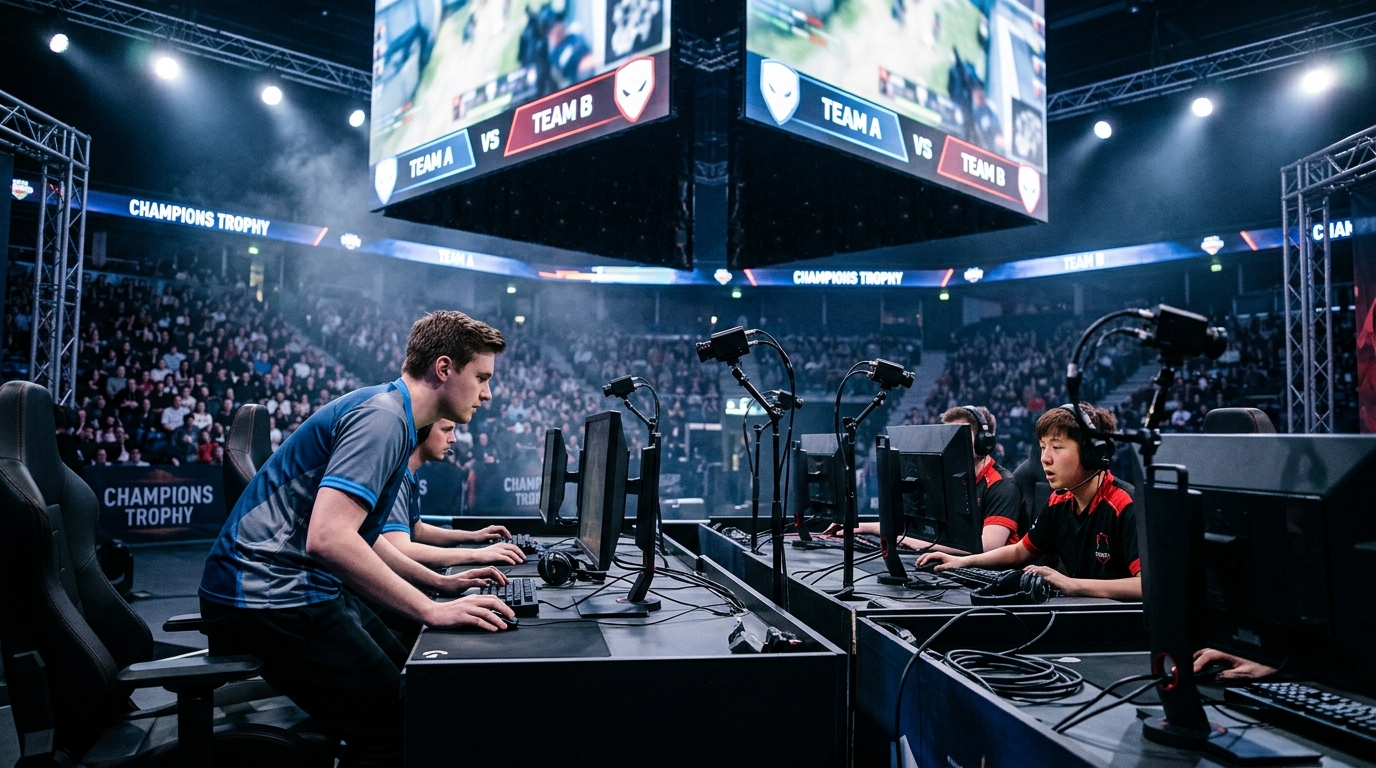
Every esports fan knows the tension that hangs in the air when East meets West on the world stage. These aren’t just matches, they’re collisions of ideologies, histories, and philosophies that have shaped two distinct paths through the competitive landscape. The drama, the upsets, and the triumphs all spring from these divergent approaches, each forged in the fires of regional pride and relentless innovation.
From the earliest days of international tournaments, the narrative has been set: the meticulous discipline and regimented strategies of Eastern teams facing off against the creativity and unpredictability of their Western rivals. This dynamic has produced some of esports’ most unforgettable moments. Every encounter becomes a high-stakes chess match, each side convinced of the superiority of its own doctrine.
Eastern teams are renowned for their almost machine-like coordination. Practice regimens are grueling, with hours spent drilling macro-level strategies and perfecting team-wide synchronisation. Precision defines their play: calculated rotations, patient map control, and a relentless focus on objective-based victory. Rarely do these squads break formation. Every move is measured, every risk carefully weighed, and mistakes are met with swift correction. The collective always comes first.
Contrast that with the West, where drama takes a different form. Here, play is less about strict adherence to a predetermined script and more about seizing the moment. Individual brilliance is celebrated. Players are encouraged to take risks, to improvise, to flip games on their heads with sudden, audacious plays. Western tactics thrive on chaos and unpredictability. Even when trailing, a Western team can turn the match in an instant, one bold move or inspired call can rewrite the narrative.
Turning Points and Tensions: Recent Metrics and Head-to-Head Records
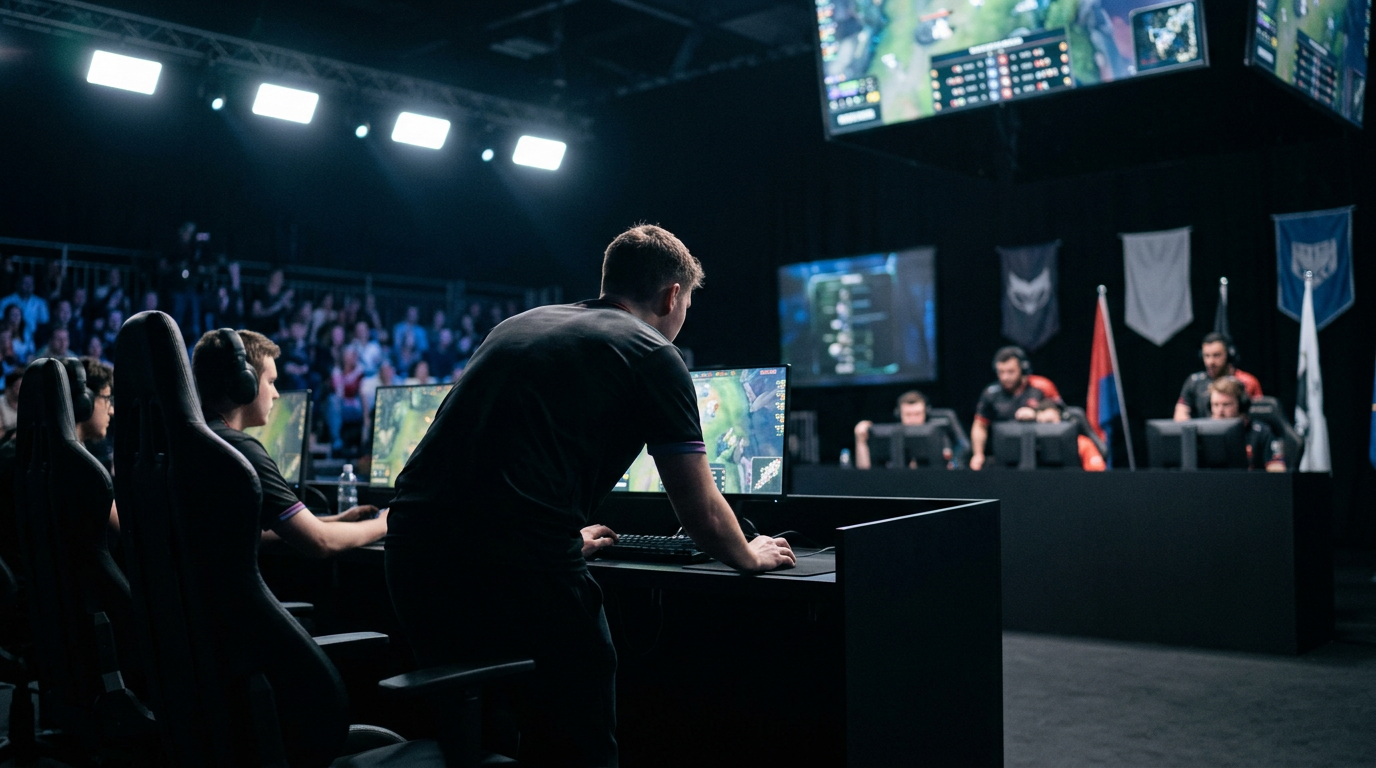
Numbers reveal a story of their own. In recent international events. Eastern teams have dominated the top placings, with win rates often exceeding 60 percent in best-of-five series against Western opponents. Margins remain razor thin, though, and drama is never far away. Western squads have a knack for breaking through when least expected, toppling giants with clutch performances and fearless aggression.
Player performances reflect these regional mindsets. Eastern stars earn praise for consistency and teamwork, rarely faltering under pressure. They play for the system. Meanwhile. Western heroes are remembered for their flair, their outplays, and their ability to seize the spotlight in do-or-die situations. That contrast turns even a group-stage match into a must-watch event, as fans wait to see which philosophy will prevail.
Tactics underscore these differences. Eastern teams prioritize vision, map control, and slow, methodical builds toward victory. Their drafts tend to be conservative, focusing on late-game scaling and teamfight strength. Western teams, on the other hand, are more willing to experiment, picking unconventional compositions and pushing the tempo early. This appetite for innovation has led to some of the most dramatic upsets in tournament history, with Western squads catching opponents off guard through unexpected strategies.
But the real human drama plays out in team dynamics. In the East, strict hierarchies and coaching structures dictate every decision, creating an environment where the collective triumphs over the individual. In the West, leadership is more fluid. Shotcallers and star players often have license to steer the team in the heat of the moment, leading to both spectacular victories and heartbreaking defeats.
Head-to-head matchups have become defining moments in many players’ careers. The pressure to represent not just a club but an entire region can be overwhelming. For some, it fuels legendary performances; for others, it’s an unbearable weight. Teams that break through and claim victory on the international stage are celebrated not just for their skill, but for what they represent: the validation of a region’s approach, the triumph of one philosophy over another, if only for a night.
Current form and recent tournaments show no sign of the rivalry cooling. Eastern dominance remains the benchmark, but Western resilience and innovation continue to produce moments of shocking brilliance. Every new international draw rekindles the debate, sharpening the stakes for everyone involved. Each clash writes a new chapter in esports history, with both sides driven by the hope not just to win, but to prove their way is the right way.