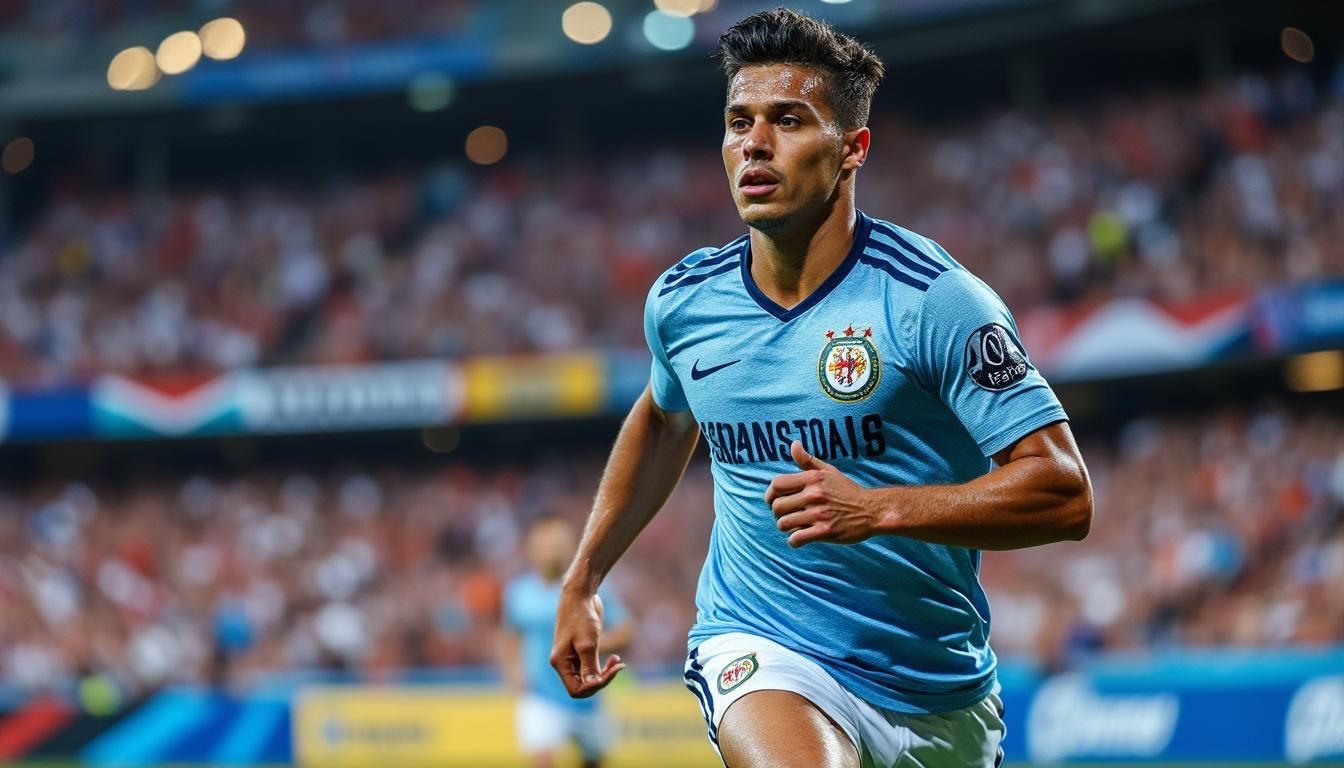
The landscape of CONCACAF soccer in 2025 is an electrifying theatre of raw talent, strategic mastery, and unexpected twists that keep fans glued to their screens. As teams jockey to climb the Power Rankings, each match unfolds like a high-stakes drama where momentum swings can make or break a season. The recent shifts in standings reflect the evolving depth of the region, highlighting not just the perennial powerhouses but also dark horses primed to disrupt the established order.
Every tournament, from the Gold Cup to the Nations League, carries the pulse of intense competition, fueled by national pride and an unyielding hunger for glory. Fans witness the sheer physicality, tactical nuance, and emotional rollercoaster that define these contests. The excitement is amplified by the unpredictable nature of soccer here — upsets are no longer anomalies but integral chapters in CONCACAF’s narrative. Teams once considered underdogs are leveraging sharp form and tactical brilliance to challenge traditional giants.
Key Points to Watch:
- Shifts in Power Rankings reveal the changing competitive landscape, particularly the rise of Canada and Panama challenging Mexico’s hegemony.
- Form Guide Insights underscore how current momentum and injury updates influence team prospects in upcoming matches.
- Upset Alerts serve as early warnings of potential game-changers, spotlighting lower-ranked teams ready to defy odds.
- Impact of Player Performances on team dynamics, especially emerging stars energizing their squads in critical fixtures.
- Tactical Evolutions visible across CONCACAF tactical setups, showcasing adaptive strategies amid diverse playing styles.
Analyzing Current CONCACAF Power Rankings: Leaders and Challengers in 2025 Soccer
In the thrilling ecosystem of CONCACAF soccer, the 2025 Power Rankings provide a revealing snapshot of the dominant forces and rising challengers shaping the region’s competitive narrative. Mexico maintains its position as the indisputable leader, exuding a blend of technical prowess and tactical discipline that sets the benchmark. However, the renewed vigor from Canada and Panama signals a seismic shift. Canada’s aggressive youth development pipeline and tactical maturity have propelled them to seize second place, overtaking Panama, whose consistency keeps them firmly in the top three.
The United States Men’s National Team (USMNT) finds itself in a transitional phase, slipping to fourth place after recent setbacks against Canada and Panama. Such ranking shifts reflect deeper narratives — the USMNT’s quest to rebuild and adapt under new tactical frameworks faces stern tests as the power hierarchy realigns. Meanwhile, emerging football nations within the region are capitalizing on competitive opportunities, challenging established teams by exploiting weaknesses and seizing momentum when it matters most.
Top Five CONCACAF Men’s National Teams Power Rankings
| Rank | Team | Points | Recent Form | Key Strengths |
|---|---|---|---|---|
| 1 | Mexico | 2,024 | W-W-D-W-W | Strong midfield control, clinical finishing |
| 2 | Canada | 1,950 | W-W-L-W-D | Youth development, fast-paced transitions |
| 3 | Panama | 1,920 | W-D-W-L-W | Solid defense, set-piece efficiency |
| 4 | USA | 1,890 | L-D-L-W-D | Versatile attack, improving cohesion |
| 5 | Costa Rica | 1,850 | W-L-W-D-D | Discipline, tactical adaptability |
These rankings are more than numbers; they are a dynamic barometer of form, fitness, and tactical evolution. They hint at who commands the region and who threatens to rewrite the expected storyline.
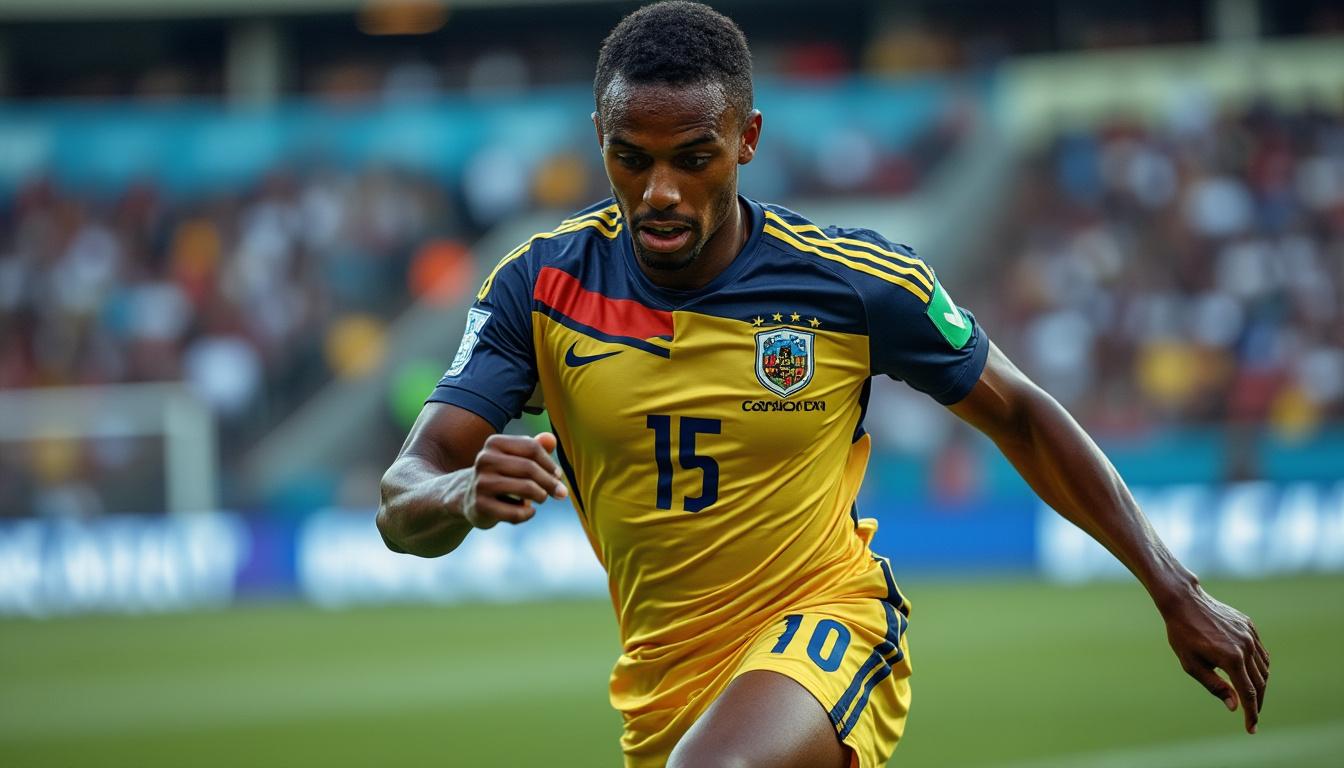
Comprehensive Form Guide: Evaluating Team Momentum and Player Impact Ahead of Key Matches
The heart of understanding CONCACAF’s thrilling contests lies in the detailed form guide, a crucial tool in predicting outcomes and deciphering team potential. Examining recent performances exposes revealing trends about resilience, tactical efficacy, and squad depth that define a team’s trajectory in tournaments. The balance between home advantage, injury status, and psychological readiness often shapes the fine line between victory and defeat.
Canada’s ascent, for example, correlates strongly with a blend of emerging talents and cohesive game plans. Players like Alphonso Davies have been transformative, injecting pace and creativity. Their form guide reflects a team capable of consistent high-level performance, adjusting tactical strategies dynamically to neutralize threats. Panama, supported by a stern defensive unit, leverages set-piece strengths and disciplined organization to stifle opponents effectively.
Key Elements of the Current CONCACAF Form Guide
- Recent Match Results: Analyzing the last five matches gives insight into form stability or volatility.
- Injury Updates: Availability of star players directly influences team confidence and game plan execution.
- Home vs Away Performance: Home advantage remains significant in CONCACAF’s diverse venues and climates.
- Strategic Adjustments: Teams that adapt formations or player roles show increased resilience.
- Youth Integration: Rising young talents provide fresh impetus and unpredictability.
| Team | Last 5 Matches | Injury Concern | Home Win Rate | Key Player in Form |
|---|---|---|---|---|
| Mexico | W-W-D-W-W | Low | 80% | Carlos Vela |
| Canada | W-W-L-W-D | Medium | 75% | Alphonso Davies |
| Panama | W-D-W-L-W | Low | 68% | Gabriel Torres |
| USA | L-D-L-W-D | High | 70% | Christian Pulisic |
| Costa Rica | W-L-W-D-D | Low | 66% | Keylor Navas |
The interplay of form and fitness underlies the strategic battles ahead, coloring expectations and setting the stage for exhilarating soccer drama.
Spotlight on Upset Alerts: When Underdogs Rattle CONCACAF’s Established Titans
The unpredictability of CONCACAF football has never been more palpable. The frequency and impact of upsets have transformed the region into a battleground where no team, regardless of pedigree, is safe from challenge. Recognizing potential upset alerts is as crucial for fans as it is for analysts. The 2025 season demonstrates that preparation, hunger, and tactical discipline can empower underdogs to topple favorites in pivotal matches.
Recent history provides lessons: matches where youth-driven squads or tactically flexible sides have seized moments of opportunity to disrupt traditional power dynamics. These games inject passion and suspense, reinforcing soccer’s core allure — its capacity to surprise and inspire. The underdog narrative propels teams like Jamaica and Honduras to punch above their weight, capitalizing on complacency or tactical lapses from favored opponents.
Top 5 Potential Upset Scenarios to Monitor
- Jamaica vs. Mexico: Tactical discipline vs. raw talent — can Jamaica’s defensive sturdiness counter Mexico’s attacking flair?
- Honduras vs. Canada: Physicality meets pace — an intense midfield battle could tip the scales.
- El Salvador vs. USA: Home advantage and tactical surprises may unsettle the USMNT’s rhythm.
- Trinidad & Tobago vs. Panama: A clash highlighting opportunistic counter-attacking strategies.
- Guatemala vs. Costa Rica: Emerging talents against seasoned campaigners create dynamic unpredictability.
| Matchup | Underdog Strength | Upset Likelihood | Key Player to Watch |
|---|---|---|---|
| Jamaica vs. Mexico | Defensive organization | Medium-High | Andre Blake |
| Honduras vs. Canada | Midfield aggressiveness | Medium | Carlo Costly |
| El Salvador vs. USA | Home support | Medium | Gerardo Iraheta |
| Trinidad & Tobago vs. Panama | Counter-attacks | Low-Medium | Khaleem Hyland |
| Guatemala vs. Costa Rica | Emerging young stars | Low | Marco Pappa |
These alert scenarios serve as fan-guides and tactical case studies, highlighting how adaptability and grit can propel teams beyond expectations.
In-Depth Match Analysis: The Tactical Battles Defining the CONCACAF Tournament Season
Beyond the headlines and rankings, the intricate chess match of tactics decides many CONCACAF outcomes. In 2025, coaches are increasingly employing hybrid systems blending possession-based control with rapid counter-attacks, layering defensive solidity with offensive fluidity. Understanding these tactical blueprints offers fans a richer appreciation of the game’s complexity and beauty.
Mexico’s success is partly attributed to their midfield maestros orchestrating play, while Canada’s strategy often hinges on quick transitions and relentless pressing, disrupting opponent rhythm. Panama and Costa Rica emphasize organizational discipline and capitalizing on set pieces, reflecting deep tactical preparation and squad identity. Meanwhile, the USMNT’s evolving tactical schemes reflect ongoing efforts to harness individual talent within a more unified team structure.
Key Tactical Trends Shaping CONCACAF Football
- High Press and Counter Pressing: Teams leverage fitness and coordination to regain possession quickly and launch swift attacks.
- Flexible Formations: Shifting between 4-3-3, 3-5-2, and other setups to respond dynamically to match situations.
- Set Piece Specialization: Focused routines that offer critical scoring opportunities, especially in evenly matched games.
- Youth-Led Creativity: Young players bring unpredictability and technical flair, challenging conventional defensive tactics.
- Goalkeeper Command: Influential goalkeepers organizing defense and initiating counter-attacks with precise distribution.
| Team | Predominant Formation | Tactical Strength | Key Tactical Player |
|---|---|---|---|
| Mexico | 4-3-3 | Ball possession and creative midfield | Hector Herrera |
| Canada | 4-2-3-1 | High press and fast transitions | Jonathan David |
| Panama | 5-3-2 | Defensive solidity and set pieces | Jose Luis Rodriguez |
| USA | 3-4-3 | Versatile attack with width | Christian Pulisic |
| Costa Rica | 4-4-2 | Compact defense and tactical discipline | Celso Borges |
These tactical insights not only explain recent results but also forecast how unfolding matches will be fought at every touchline and midfield contest, igniting competition and fan passion alike.
Unraveling Team Trends Across CONCACAF Tournaments and Upcoming Challenges
The waves of momentum sweeping through CONCACAF’s men’s and women’s competitions illuminate a tapestry of evolving team identities and emerging rivalries. The 2025 Gold Cup, Nations League, and qualifiers serve as stages for teams to test cohesion, showcase stars, and rewrite histories. These tournaments, framed by intense fan atmospheres and high stakes, crystallize patterns of resilience, tactical innovation, and aspirational glory.
For instance, in club competitions like the CONCACAF Champions Cup and Central American Cup, domestic talents sharpen their skills in high-pressure environments, bridging club success with national team ambitions. The growing competitiveness seen in these leagues injects fresh energy into the wider region, elevating game quality and tactical awareness. Notably, the rise of youth teams and futsal squads hints at a broadening base of talent that will redefine soccer’s future on this continent.
Emerging Trends and Tournament Insights
- Youth Development Focus: Greater emphasis on under-17 and under-20 programs producing technically skilled and psychologically prepared players.
- Women’s Soccer Growth: Expanding competitiveness of women’s national teams diversifies CONCACAF’s talent landscape.
- Club-National Team Link: Synergies between club success and national team depth improve performance consistency.
- Strategic Squad Rotation: Coaches balance experience and freshness to maintain competitive edge throughout long tournaments.
- Home Crowd Influence: The intensity of home support shapes tactical approaches and player motivation.
| Tournament | Key Feature | Notable Team | Impact on Rankings |
|---|---|---|---|
| Gold Cup | High stakes knockout format | Mexico | Maintains top position |
| Nations League | Group stage dynamics | Canada | Climbed to 2nd |
| Champions Cup | Club-level intensity | USA clubs | Boosts player experience |
| Women’s W Gold Cup | Expanding audience and quality | USA Women’s Team | Reinforces regional dominance |
| Under-20 Championships | Emerging talent showcase | Costa Rica | Prospect of future rankings growth |
This intricate web of tournaments and team trends underscores both the promise and unpredictability that make CONCACAF soccer a must-follow spectacle for casual and devoted fans alike.
What factors most influence the CONCACAF Power Rankings?
Power Rankings in CONCACAF are influenced by recent match results, squad strength including injury updates, tactical effectiveness, and consistency across major competitions like the Gold Cup and Nations League.
Who are the rising stars to watch in the 2025 CONCACAF tournaments?
Players like Alphonso Davies (Canada), Carlos Vela (Mexico), and Christian Pulisic (USA) continue to shape the region’s dynamic, while emerging youth talents from Costa Rica and Guatemala offer exciting potential.
How significant are upsets in shaping the CONCACAF tournament landscape?
Upsets are crucial in CONCACAF’s landscape as they reflect the growing competitive depth. Underdogs leveraging tactical discipline and resilience have frequently shifted momentum, rewriting narratives and impacting rankings.
What tactical trends define CONCACAF soccer in 2025?
Key tactical trends include high pressing, flexible formations, set-piece focus, and integration of youth creativity, all of which contribute to a fast-evolving and fiercely competitive tournament environment.
How do club competitions affect national team performances in CONCACAF?
Club competitions, such as the CONCACAF Champions Cup, provide vital match experience and competitive conditioning that bolster national team depth, cohesion, and tactical adaptability.