Rosters across professional football often require last-minute recalibration. Unexpected injuries disrupt carefully laid plans and budgets. The Baltimore Ravens are facing precisely this scenario after offseason acquisition Danny Pinter suffered a significant injury during joint practice. The club was forced into swift transfer and contract activity just as the season approaches.
Pinter’s Injury Alters Center Competition and Financial Planning
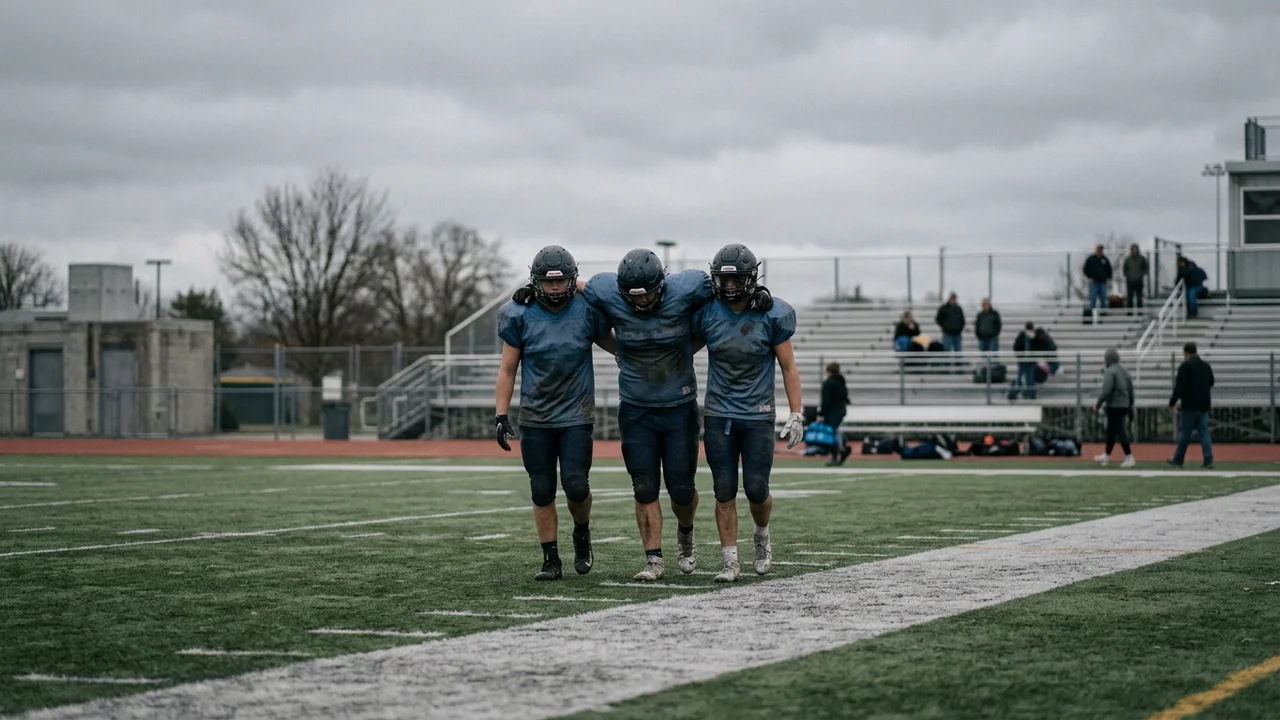
The Ravens’ decision to move Danny Pinter to injured reserve carries immediate consequences for the team’s internal competition and salary allocation. Pinter, a six-year veteran previously with the Colts, joined Baltimore this offseason. He was expected to compete for the starting center role. His contract, negotiated for a player expected to challenge for first-team duties, now shifts into the category of cap space tied up in non-contributing assets.
Pinter is sidelined after tearing his patellar tendon. The Ravens must continue their search for a reliable center within their existing roster. Jovaughn Gwyn and Ethan Pocic are now left to battle for the starting position. These players, occupying different points on the wage scale, may require the front office to recalibrate salary expectations for the role. Pinter’s deal was structured around a potential starting contribution.
Injured reserve designations do not always provide immediate relief to a club’s salary cap. This depends on the guarantees and structure of the player’s deal. The Ravens must now assess how Pinter’s cap hit will affect their ability to fill the roster spot with external signings or internal promotions. This decision underscores the importance of depth and contract flexibility, particularly at positions where injuries are both unpredictable and impactful on overall team expenditure.
Injury-driven changes often prompt teams to revisit their American football contract management strategies, especially when a projected starter is lost just before the regular season.
Michael Barrett Signing Reflects Low-Risk, Depth-Oriented Approach
To address the vacancy left by Pinter, Baltimore opted to bring in linebacker Michael Barrett. Barrett’s signature does not command the financial weight of a starting-caliber center. His addition is emblematic of the cost-controlled depth moves that define late-preseason roster construction.
Barrett arrives with a resume that includes being a seventh-round draft pick by the Panthers in 2024, a trade to the Seahawks, and stints on various practice squads, including Seattle, Cleveland, and Green Bay. His connection to Ravens head coach Jesse Minter, established during their shared tenure at Michigan, likely influenced Baltimore’s decision to offer a deal. Such relationships can provide clubs with a cost advantage. Coaches are more willing to onboard familiar players at lower salaries, minimizing the risk of an underperforming asset.
Given Barrett’s journey through multiple organizations without sticking to an active roster, his contract terms are almost certainly near the league minimum and likely non-guaranteed. This structure allows the Ravens to maintain maximum flexibility while filling out the depth chart. Barrett’s presence is insurance rather than a marquee solution, aligning with the franchise’s need to preserve cap room after the unexpected loss of Pinter.
The overall approach demonstrates a pragmatic response to adversity. Use low-cost, short-term contracts to patch roster holes while leaving sufficient budgetary space for potential midseason needs or future investments. Such moves are common in the late preseason period, as clubs seek to optimize both on-field continuity and fiscal discipline.
Baltimore’s handling of this roster setback will serve as a case study in the ongoing balance between competitive ambitions and financial stewardship. The coming weeks will reveal whether their budget-driven solutions can sustain the depth and quality required to contend over a full campaign.