Word that Alvin Kamara is finalizing a restructured contract to remain with the New Orleans Saints has triggered a wave of scrutiny, and some relief, across the NFL’s business landscape. The focus isn’t on sentiment or legacy. Instead, it’s all about cap space, resource allocation, and risk management as the Saints navigate a pivotal offseason.
Agent Brad Cicala quickly called the outcome a win for both sides, telling NFL Network, “Alvin’s goal, and the team’s goal, was for him to remain with the Saints and retire a Saint.” But inside league offices and among analysts, attention immediately shifted to the mechanics of the deal and its impact on the Saints’ financial posture. Kamara was previously set to count $10.45 million against the 2026 salary cap. Flexibility has become the defining theme for New Orleans as it tries to rebuild and compete.
General manager Mickey Loomis didn’t sugarcoat the situation. “We’re just trying to see how he’s gonna fit on our roster. Obviously there’s a resource management element. We’ll get to that over the next week or two,” Loomis told reporters. His comments underscored the uncertainty that’s hovered over Kamara’s future since the Saints made a splashy move for free agent running back Travis Etienne. Etienne’s four-year, $52 million deal forced the front office to reconsider every dollar, fueling speculation that Kamara could be on the trade block. His declining production and hefty cap hit only added to the noise.
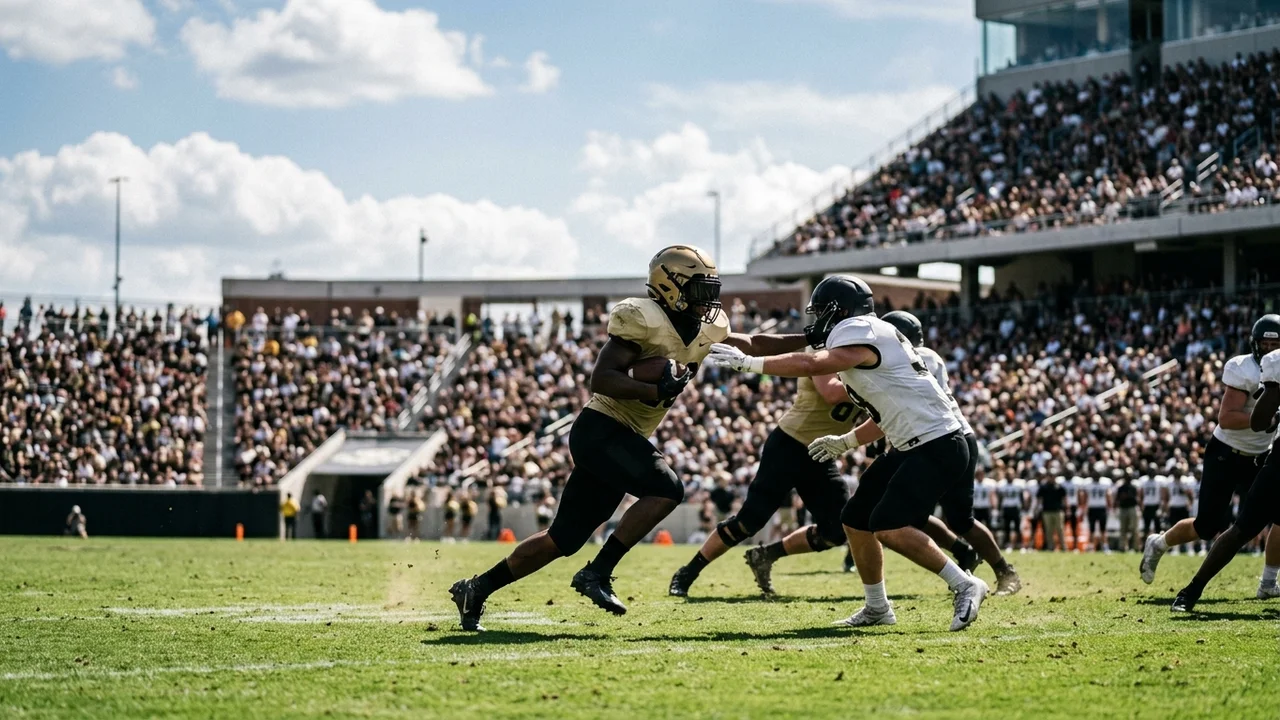
Kamara’s 2025 campaign didn’t silence the doubters. He played 11 games, managed 131 carries for a career-low 471 yards, and scored just one touchdown. Those numbers have only intensified the debate over the value of aging running backs. With Etienne now in the fold, a restructured deal became the only realistic path for Kamara to stay in New Orleans.
The Saints’ contract history with Kamara tells its own story. Drafted in the third round in 2017. Kamara landed a five-year, $77.133 million extension, then restructured last offseason, and signed a two-year, $24.5 million extension in October 2024. Each move has reflected the Saints’ willingness to adapt to market shifts and on-field realities, but also highlighted the risks of long-term commitments at running back.
Etienne’s arrival, and his immediate status as the first-team back at minicamp, made the team’s intentions clear. Kamara, now entering his tenth season, has publicly accepted a secondary role and voiced optimism about working alongside Etienne, dismissing any talk of locker room tension. Insiders see the restructured deal as a calculated attempt to balance veteran continuity with fiscal discipline, a hedge against injury and the volatility that defines the position.
Sportsbooks have responded with caution. Caesars pegs the Saints’ 2026 win total at 7.5, with New Orleans trailing only the Tampa Bay Buccaneers in projected NFC South odds. Oddsmakers’ skepticism mirrors the Saints’ own approach: Kamara’s experience still matters, but only at a price that matches his current role.
For the Saints, this restructured agreement could be the last compromise between honoring a franchise cornerstone and protecting the bottom line. As the deal nears completion, every detail will be dissected by the business community, knowing that each dollar saved or deferred could shape the franchise’s future long after Kamara’s final carry.