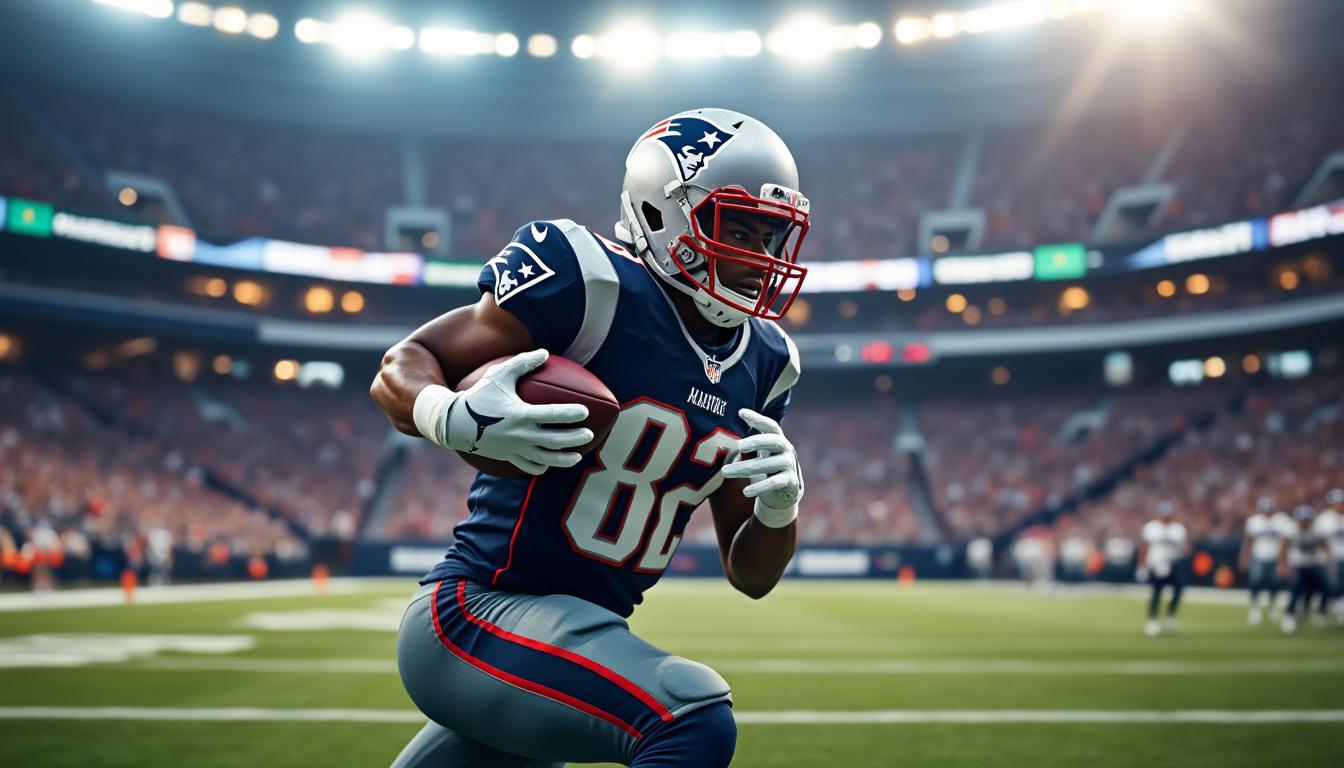
The New England Patriots are back where many believed they would struggle to return: the Super Bowl. After a six-year hiatus that tested the franchise’s resilience and sense of identity, the team’s resurgence under head coach Mike Vrabel is nothing short of remarkable. This blueprint for success hinges on a unique blend of strategic roster construction, evolving team culture, and a hardened mentality forged on the road. Vrabel’s leadership has created a Patriots squad that thrives in adversity and channels a “Road Warrior” ethos – a driving force behind their 9-0 unbeaten streak in away games during the 2025 season and playoffs. As they prepare to face off in Super Bowl LX, the Patriots’ journey reveals how a storied franchise can adapt and reclaim its place atop the NFL hierarchy with fresh ideas rooted deeply in toughness and unity.
Behind the thrilling comeback lies a carefully curated roster, marked by thoughtful draft choices, savvy free-agent signings, and a distinct focus on physical dominance, especially in the trenches. This team is not just about star power but about grit, cohesion, and a shared vision that permeates from the locker room to the field. The identity reshaped by Vrabel is as much about mentality as it is about play-calling—resistance to pressure, execution in hostile environments, and an unyielding belief in collective strength. From rookie standouts like left tackle Will Campbell to seasoned leaders such as wide receiver Stefon Diggs, the Patriots have assembled a team that values both talent and tenacity.
Organizational shifts under Vrabel’s command have emphasized detailed preparation and adaptability. Practices focus on situational football, red zone efficiency, and mastering game tempo changes unique to the Super Bowl atmosphere. The incorporation of veteran savvy alongside youthful exuberance creates a dynamic, battle-tested roster ready to handle the immense pressure of the NFL’s biggest stage. This evolution is not just tactical; it is cultural—rooted in lessons from popular culture, crackling locker room energy, and an identity that celebrates winning away from home as a hallmark of toughness. The blueprint crafted here is a vivid testament to the power of vision, perseverance, and the transformative impact of inspired leadership within the NFL.
For fans seeking a profound understanding of how the New England Patriots have reconstructed themselves, this exploration shines a light on the intricate tapestry of roster moves, coaching philosophy, and emotional synchrony that have propelled this franchise back into championship contention. Each piece of this puzzle works in harmony to demonstrate a story of revival, one carefully engineered to reestablish New England as a perennial powerhouse on the league’s grandest stage.
In summary, this Super Bowl blueprint under Mike Vrabel is a story of evolution—of a roster shaped by strategic acumen and a team identity revived through relentless commitment, designed to endure and conquer in the fiercely competitive environment of modern NFL football.
Key Highlights
- Mike Vrabel’s leadership galvanized the Patriots, branding them as “Road Warriors” with a perfect 9-0 record away from Gillette Stadium during the 2025 season and playoffs.
- The roster features a mix of impactful rookies, such as Will Campbell and Jared Wilson, alongside veterans like Stefon Diggs, creating a balance of energy and experience.
- The team’s identity is deeply influenced by a 1979 cult film, used by Vrabel to build resilience and unity during critical early-season road games.
- Organizational emphasis on situational football and adapting to the unique pace of the Super Bowl has been central to preparation.
- Statistical dominance in defensive pressure ranks the Patriots fifth in the NFL postseason since 2009, showcasing their evolved defensive strategy.
- The “Warriors” mantra has transcended locker room ritual, influencing everything from player celebrations to public perception as an emblem of toughness and cohesion.
- Patriots’ unique approach to road success is changing NFL narratives on team identity and strategic outlook in the Super Bowl era.
How Mike Vrabel’s Leadership Shaped the Patriots’ Super Bowl Blueprint and Identity
The transformation of the New England Patriots under Mike Vrabel is a compelling study in leadership’s power to redefine a franchise’s very soul. Taking over after a challenging 4-13 season, Vrabel instilled a philosophy that emphasized resilience, toughness, and unity. His approach diverged from simply chasing big-name signings or flashy plays; instead, he forged an ironclad identity rooted in enduring adversity, especially on the road.
Vrabel’s decision to lean into the “Road Warrior” mentality was more than a motivational slogan. It began during a pivotal October meeting when he showed the team a clip from the 1979 cult classic film The Warriors. This was after the Patriots had already pulled a crucial win in Miami, setting the stage for a stretch of challenging away games in Buffalo, New Orleans, and Tennessee.
By branding the team as “Road Warriors,” Vrabel created a psychological edge that carried through every touchdown, tackle, and strategic call. Veteran wide receiver Mack Hollins embraced this spirit so intensely that he enacted iconic scenes from the film in the locker room, instilling a sense of brotherhood and defiance. This mantra became a rallying cry, highlighting that to succeed on the road, grit and relentless effort must be non-negotiable.
Vrabel’s leadership style also included a holistic approach to managing the season—balancing media attention, the chaos of Super Bowl week, and maintaining focus through detailed practice planning. He discouraged overloading players with too much information, instead focusing on critical situational football and game tempo changes that define success in high-pressure environments.
Moreover, Vrabel’s ability to connect with both rookies and veterans cultivated a locker room atmosphere where every player felt valued and motivated. This was evident in the rise of young talents like Will Campbell and Jared Wilson, who started on the offensive line alongside seasoned players, symbolizing the new Patriots ethos: blend youth and experience, replace complacency with hunger. The result is a roster that reflects careful curation more than just star power—a tactical blueprint emphasizing balance, strength, and mental toughness.
This leadership and evolving identity culminated in a team that mastered the art of winning away from home—an elusive feat in the NFL. Six teams had posted undefeated road records before, but the Patriots’ 9-0 mark in 2025 is unprecedented, underscoring how a clearly defined identity can translate into tangible success.
The Psychological Edge of the “Warriors” Mantra in the Patriots’ Locker Room
Unpacking this cultural shift, it is clear how Vrabel’s use of cultural references became a foundational pillar of team chemistry. The phrase “Warriors, come out to play!” reverberated beyond chants; it encapsulated a mindset of perseverance when surrounded by hostile crowds and unforgiving schedules. This identity was not built overnight but evolved as the team collectively bought into the ethos, evidenced by playful yet meaningful reenactments and references throughout the season.
The cultural adoption fostered cohesion among players from diverse backgrounds, uniting them with a shared sense of purpose and pride. Wide receiver Stefon Diggs famously noted that the team’s conditioned response to hostile environments transformed them into a formidable unit—comfortable with hardship rather than intimidated. Vrabel effectively gamified resilience, making toughness a badge of honor.
This robust team identity positioned the Patriots differently in the NFL as a team that could thrive beyond their home turf—a psychological advantage increasingly critical in the playoffs and the Super Bowl environment. It created an aura that intimidated opponents and solidified the Patriots’ blueprint as one centered on mental toughness and strategic grit rather than mere talent.
The Evolution of the Patriots’ Roster: Balancing Youth, Experience, and Strategic Acquisitions
Building a Super Bowl contender requires more than coaching ideas—it demands a roster that reflects a balance of burgeoning stars and proven veterans, all capable of executing the evolving team strategy. The 2025 Patriots roster is a mosaic of this philosophy, with key decisions made in the draft and free agency designed to complement Vrabel’s vision on the field.
At the heart of the roster transformation are two rookie offensive linemen, Will Campbell and Jared Wilson, who made history as the first pair of rookies to start on the Patriots’ offensive line in a Super Bowl. Their rapid development highlights New England’s commitment to building foundational talent that can grow within the team’s system. Their presence on the line has been pivotal in both pass protection and run blocking, setting a sturdy platform for the offense.
Complementing the young players are veterans like wide receiver Stefon Diggs, whose leadership and game-changing skills provide the unit with a lethal edge. Running backs Rhamondre Stevenson and TreVeyon Henderson offer dynamic options that keep opposing defenses guessing, while defensive standouts like outside linebacker Harold Landry III and defensive tackle Milton Williams add the essential pressure and disruption.
Key elements of the Patriots roster evolution include:
- Strategic Draft Picks: Prioritizing linemen and versatile defenders to build a physical and adaptable core.
- Targeted Free Agent Signings: Acquiring players who fit the team’s work ethic and culture rather than just talent alone.
- Development of Young Talent: Providing instant playing time paired with strong mentorship.
- Veteran Leadership: Incorporating seasoned pros who bring playoff experience and stabilize pivotal moments.
- Special Teams Impact: Players like fullback Jack Westover contribute significantly on special teams and situational plays, underscoring the Patriots’ attention to detail.
This thoughtful construction has propelled the Patriots into a playoff powerhouse. The roster’s evolution mirrors a commitment to physical dominance, as noted by their postseason tally of 57 pressures—ranking fifth since 2009. Defensive tackles and edge rushers have relentlessly disrupted opponents’ rhythm, a clear manifestation of the team strategy Vrabel employs to control games.
| Position | Player | Role | Impact |
|---|---|---|---|
| QB | Drake Maye | Starting Quarterback | Young leader managing game tempo and decisions, developing under playoff pressure. |
| WR | Stefon Diggs | Veteran Wide Receiver | Playmaker and experienced locker room leader. |
| OL | Will Campbell | Rookie Left Tackle | Foundation of offensive line, historic starter for a rookie. |
| OL | Jared Wilson | Rookie Left Guard | Key run blocker, versatile and adaptable. |
| DL | Milton Williams | Defensive Tackle | Pass rush specialist and pressure leader. |
| LB | Harold Landry III | Outside Linebacker | Edge rusher and defensive disruptor. |
| RB | Rhamondre Stevenson | Running Back | Power back with playmaking ability. |
| RB | TreVeyon Henderson | Running Back | Speed and versatility in backfield. |
| FB | Jack Westover | Fullback/Special Teams | Contributes in short yardage and special teams. |
This roster balance has not only fostered on-field success but also instilled a sense of family among players, crucial for the intensity and distractions of playoff runs and the Super Bowl. The Patriots’ blueprint is one of precision, balance, and alignment between team needs and individual strengths, reflecting the evolved identity Mike Vrabel envisioned when he stepped in as head coach.
Strategic Adaptation and Game Preparation: Mastering the NFL’s Biggest Stage under Mike Vrabel
The Patriots’ approach to game preparation under Mike Vrabel reveals a meticulous attention to detail that separates contenders from pretenders. Understanding the unique tempo and pressures of the Super Bowl, Vrabel designed a practice and meeting schedule that balances information flow and mental freshness, tailoring team readiness for peak performance.
One hallmark of the Patriots’ preparation is their focus on situational football, including first, second, and third down play-calling, red zone execution, and managing clock and game tempo in an environment filled with extended pregame and halftime breaks. Such meticulous planning allows the team to react swiftly and decisively, qualities essential in the fast-moving and high-stakes context of the Super Bowl.
Vrabel’s communication style fosters a sense of calm and clarity amidst the looming media frenzy. Practices remain intense but selective, targeting a few key areas rather than overwhelming the players with excessive new schemes. This method ensures mental sharpness and maximizes physical readiness.
Media engagements are carefully distributed over the week, spreading the spotlight among key players like quarterback Drake Maye, tight end Hunter Henry, and defensive stalwarts Harold Landry III and Milton Williams. This strategy helps maintain focus without creating burnout or distraction, crucial for the fragile psychological state teams endure leading to the big game.
Importantly, Vrabel emphasizes family involvement through the week’s schedule, acknowledging the emotional fuel players draw from loved ones during this intense time. This human touch underscores the empathetic leadership that has become a defining trait of the Patriots’ recent success.
These elements underscore a broader lesson: the evolving Patriots identity isn’t just about physicality or talent—it’s about mastering the psychological and logistical challenges that come with elite-level competition in the NFL’s grandest spotlight.
Building the “Road Warrior” Mentality: The Cultural Backbone of New England Patriots’ Success
The “Road Warrior” identity is more than a slogan for the Patriots; it is the heartbeat of their current blueprint toward Super Bowl success. This cultural framework reflects the team’s perfect 9-0 record in away games, a feat highlighting not just physical skill but a mental and emotional toughness that thrives under hostile conditions.
Mike Vrabel’s introduction of the phrase during an October session tied directly to the team’s stretch of difficult road games was more than motivational theater; it was a conscious effort to form a collective warrior spirit. By shifting the focus from external challenges to internal strength, the Patriots embraced a unifying theme that empowered them through adversity.
Players such as Mack Hollins took the lead in embedding this culture, recreating iconic scenes from the film The Warriors to electrify the locker room atmosphere and inspire their teammates. This ritual helped forge an unbreakable brotherhood, reinforcing that no matter the venue or opposition, the Patriots always play to conquer.
Veteran players have echoed this sentiment, noting how the team’s shared history of facing cuts, transfers, and setbacks transformed their approach to competition. Veteran Stefon Diggs noted that rather than dwelling on past losses or hardships, the team channels those experiences into a relentless drive to band together and win, particularly on the road.
This mentality has several practical outcomes:
- Improved focus under pressure: Players expect hostile environments and perform with a calm tenacity.
- Strong team cohesion: The shared identity creates a sense of belonging and mutual support.
- Consistent execution: The team maintains discipline and tactical commitment away from home.
- Resilience: The “Warriors” embrace setbacks as challenges to overcome rather than obstacles to fear.
The Patriots’ “Road Warrior” culture sets them apart at a time when NFL teams increasingly debate the difficulty of winning outside their home stadiums. This approach has fostered a repeatable blueprint for success, proving that identity-driven team strategies can directly translate to championship performance.
Super Bowl 60 Preview: How the Patriots’ Blueprint Faces the Seattle Seahawks Challenge
The upcoming Super Bowl LX pits the Patriots’ evolved roster and identity against the Seattle Seahawks, creating a fascinating test of strategies, mental toughness, and individual talent. Both teams arrive with distinct strengths, but the Patriots’ narrative centers on their meticulous blueprint built under Vrabel’s guidance, emphasizing resilience and the “Road Warrior” ethos.
The Seahawks, fueled by a dynamic offense and home-field-college player representation as noted by reliable NFL sources, represent a formidable opponent. The Patriots will lean on their defense’s ability to pressure the quarterback, led by players like Milton Williams and Harold Landry III, to disrupt Seattle’s rhythm.
Quarterback Drake Maye, while young, embodies the team’s steady leadership. His experience managing difficult road games and thriving in high-pressure scenarios will be vital. His favorite play remains the “Victory Formation,” a testament to New England’s consistent capacity to seal games once momentum shifts their way, as detailed by contemporary analyses of Patriots playoff scenarios.
Special teams, often an overlooked phase, will be critical, especially when facing Seattle’s Rashid Shaheed, known for multiple kickoff and punt return touchdowns. Patriots’ own Marcus Jones, a return touchdown threat, adds firepower to this arena, heightening the intrigue of matchup dynamics.
With their well-balanced roster, evolving identity, and razor-sharp preparation, New England enters Super Bowl 60 with a blueprint forged through grit, adaptability, and an unshakeable belief in their team strategy. The question remains: can this meticulously developed Patriots squad translate their road dominance and cultural cohesion into the ultimate NFL triumph?
What defines the ‘Road Warrior’ mentality for the Patriots?
The ‘Road Warrior’ mentality refers to the Patriots’ focus on toughness, resilience, and unity when playing away games, a key factor in their perfect 9-0 road record during the 2025 season and playoffs.
How has Mike Vrabel’s leadership impacted the team’s Super Bowl readiness?
Vrabel’s leadership shifted the team’s focus toward mental and physical resilience, balancing youth and experience and emphasizing situational football preparation, creating a cohesive and battle-ready roster.
Which players have been instrumental in the Patriots’ roster evolution?
Key contributors include rookies Will Campbell and Jared Wilson on the offensive line, veteran Stefon Diggs at wide receiver, and defensive standouts like Milton Williams and Harold Landry III.
How is the Patriots’ game preparation adapted for the Super Bowl?
Preparation focuses on situational play-calling, managing the extended Super Bowl game pace, maintaining mental sharpness without overwhelming players, and incorporating family involvement to support emotional well-being.
What challenges do the Patriots face against the Seattle Seahawks in Super Bowl LX?
The Patriots must counter Seattle’s dynamic offense and special teams threats, relying on defensive pressure and steady quarterback play from Drake Maye while maintaining their trademark road resilience and discipline.