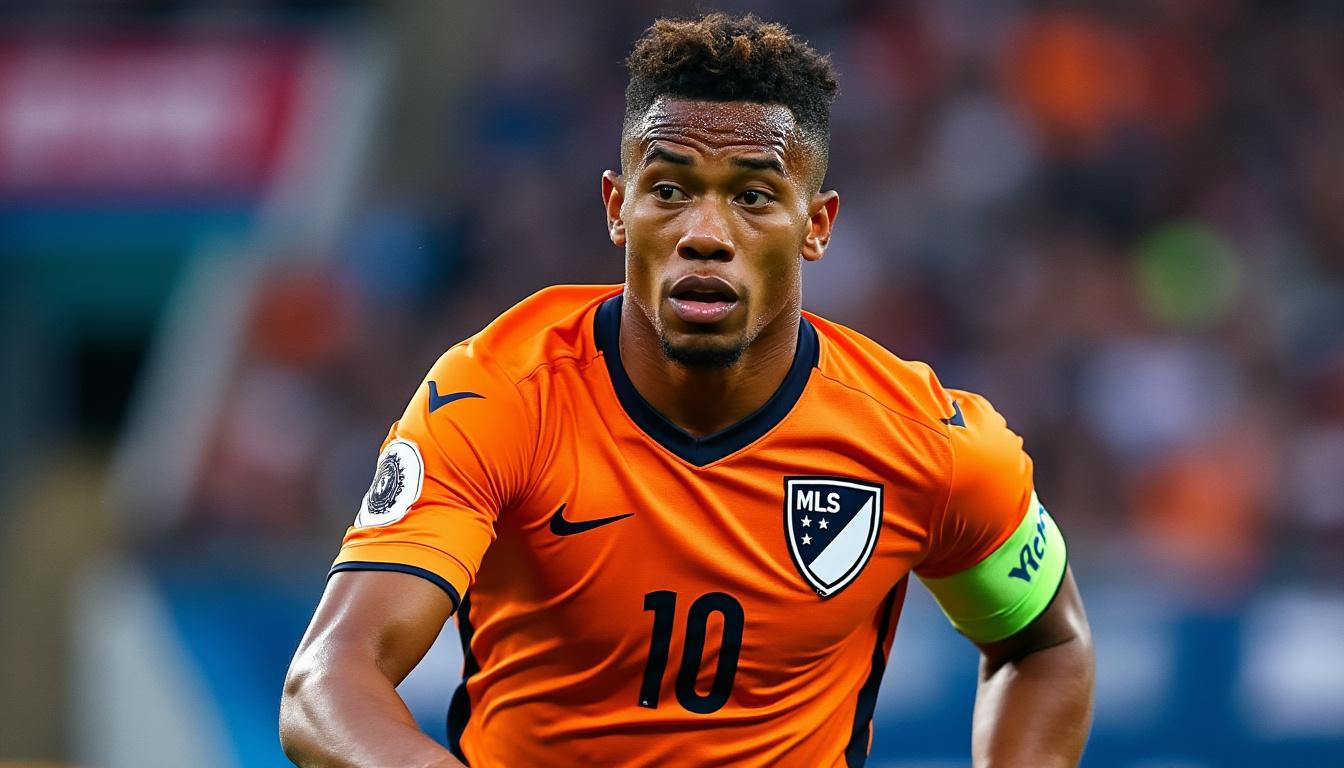
As the Major League Soccer (MLS) season reaches its crescendo on November 18 2025, the murmurs and speculation surrounding player transfers and roster changes have never been more intense. Across the league, teams are meticulously plotting bold off-season moves, understanding that the shifting sands of player placements could dramatically redefine their chances of glory in the upcoming campaign. The atmosphere buzzes with excitement as fans and analysts alike dissect every whisper of transfer rumours, eagerly anticipating how these soccer trades will reshape the competitive landscape.
MLS’s growing stature in global soccer circles hinges largely on these critical transfer windows, where off-season moves don’t just fill gaps but can establish a club’s identity and strategic direction. In this ever-evolving league, nurturing attacking talents, shoring up defensive lines, and innovating team strategies are no longer optional but essential. As teams ready their lineups for the subsequent season, the transfer market becomes the battleground for ambition. From blockbuster signings reminiscent of European leagues to shrewd loan deals that add depth and potential, the dynamics of MLS transfers promise a thrilling off-season primed with opportunity and high drama.
Among the standout stories is FC Cincinnati’s aggressive pursuit of enhancing attacking prowess by securing the young Polish winger Dominik Marczuk and the celebrated Brazilian forward Brenner. These player transfers are illustrative of a broader trend in MLS: integrating international experience with high-potential youth to forge formidable squads. Meanwhile, Colorado Rapids have stunned the league with their record signing of attacking midfielder Paxten Aaronson, signaling a clear intent to replace their departed star and inject creativity into their midfield.
Meanwhile, CF Montréal and Toronto FC continue their transformative courses with critical acquisitions like Ivan Jaime and José Cifuentes, respectively. Such bold signings underscore the weight of off-season decisions as teams battle not only for short-term success but for sustained dominance in the league. These roster changes, set against a backdrop of strategic recalibrations, confirm the MLS off-season as a pulsating hub of ambition where every negotiation carries the promise of shifting fortunes.
MLS Off-Season: A Strategic Playground for Bold Player Transfers and Team Revamps
The off-season period in MLS is far more than a lull between competitive matches; it represents a strategic battlefield where visionary club managements orchestrate intricate maneuvers to reposition their teams in a constantly intensifying league. The blend of financial constraints, salary caps, and player movement rules makes every transfer deal a tactical endeavor, demanding a delicate balance between ambition and pragmatism.
Clubs like FC Cincinnati exemplify this approach by blending youthful exuberance with proven talent. The recent loan acquisition of 21-year-old Dominik Marczuk from Real Salt Lake adds fresh dynamism to a squad already bolstered by Brenner, the Brazilian forward whose previous tenure produced an impressive 26 goals over two seasons. Such dual additions not only refresh the lineup but also construct a multi-faceted attacking threat capable of unsettling even the most disciplined defenses.
Team strategies hinge on these roster changes. FC Cincinnati’s attacking revolution, with Kevin Denkéy and Evander alongside new arrivals, creates arguably the deepest and most versatile frontline across the league. This depth allows coaches to rotate players without compromising quality, respond flexibly to injuries, and adapt tactics fluidly—precisely the kind of robustness needed to navigate the grueling MLS season.
- Youthful talent loans: Essential to add potential without long-term risk.
- Proven forwards: Provide immediate goal threats and locker-room leadership.
- Midfield creativity: Shaping game tempo and unlocking defenses.
- Depth across lines: Enables tactical flexibility and injury cover.
- Focus on attacking depth: Response to defensive solidity elsewhere in the league.
| Club | Recent Acquisitions | Role | Contract Type |
|---|---|---|---|
| FC Cincinnati | Dominik Marczuk, Brenner | Wingers/Forward | Loan and Permanent Return |
| Colorado Rapids | Paxten Aaronson | Attacking Midfielder | Permanent, Record Signing |
| CF Montréal | Ivan Jaime | Attacking Midfielder | Loan with Purchase Option |
| Toronto FC | José Cifuentes, Djordje Mihailovic, Jules-Anthony Vilsaint | Midfield/Forward | Loan and Transfers |
| D.C. United | Caden Clark | Midfielder | Permanent Transfer |
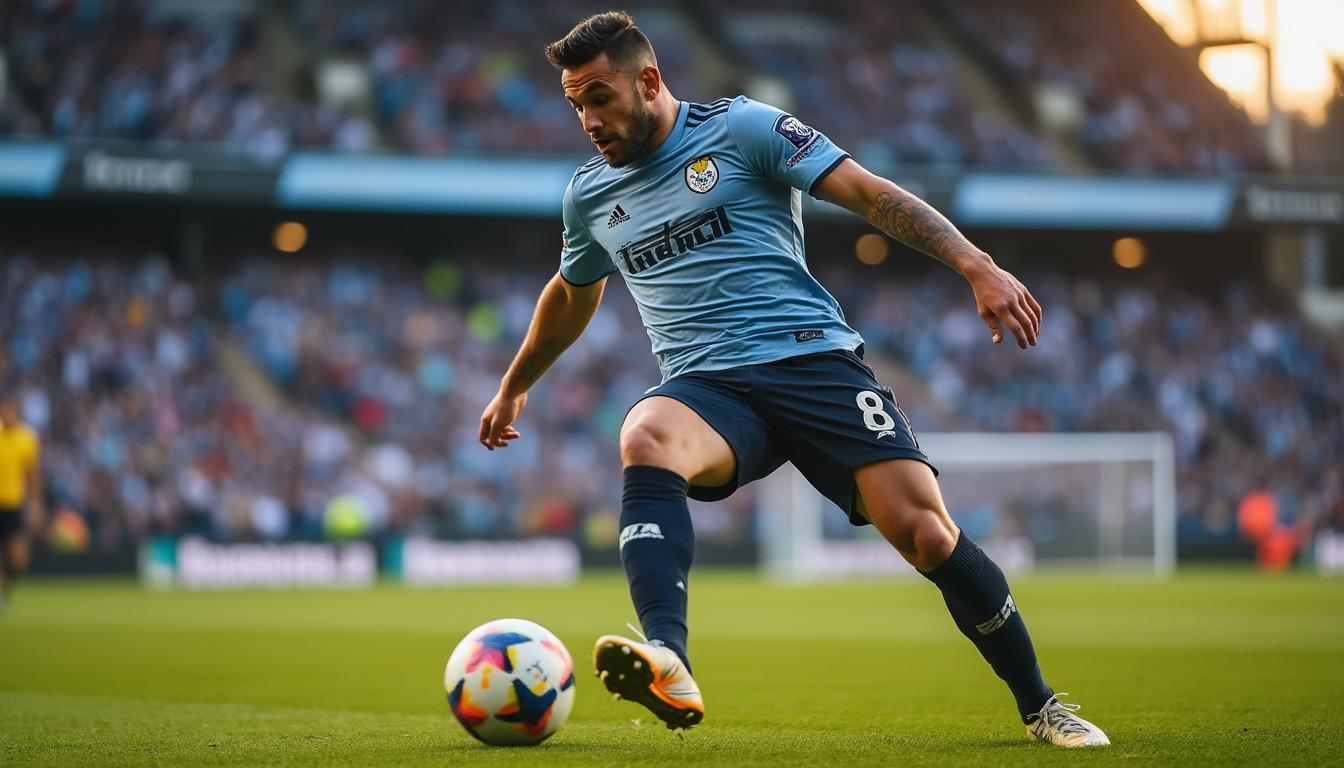
Record-Breaking Transfers and The Rise of Tactical Adaptations in MLS
The evolution of MLS as a competitive force in North American soccer is epitomized by its growing sophistication in transfer dealings and tactical innovations. The signing of Paxten Aaronson by Colorado Rapids is a powerful statement, setting a new precedent for recruitment investments and signaling a commitment to tactical refreshment. Viewed as a creative successor to Djordje Mihailovic, Aaronson’s arrival represents not just a player swap but a recalibration of style and strategic approach.
Such record moves also heighten the league’s appeal internationally. Clubs seek players with proven track records abroad, supplementing their lineups with imported expertise, while simultaneously investing in younger domestic talents to maintain MLS’s unique identity. The balancing act between global scouting and local development is ever more visible in these bold signings.
As MLS teams adapt to these roster changes, their tactical setups become more fluid. Increased focus on attacking midfield roles, as seen with Ivan Jaime to CF Montréal, is part of a broader league-wide emphasis on creativity and transitional play. Midfielders who can both orchestrate attacks and pressurize opponents are invaluable in the fast-paced dynamics that MLS champions.
- Record contract deals: Raising league standards and player quality.
- Blending experience and youth: Strategic balance for sustainable success.
- Tactical versatility: Formation shifts to exploit player strengths.
- Creation versus physicality: Emphasis on skillful midfield operators.
- International scouting: Accessing diverse playing styles and expertise.
| Club | Key Tactical Focus | Main Transfer Targets | Strategic Outcome |
|---|---|---|---|
| Colorado Rapids | Creative midfield dominance | Paxten Aaronson | Replacing star with fresh dynamism |
| CF Montréal | Midfield creativity and depth | Ivan Jaime | Injecting flair and option variety |
| Toronto FC | Squad reshaping with youth and experience | José Cifuentes, Djordje Mihailovic | Rebuilding for consistent success |
| D.C. United | Youthful attacking impetus | Caden Clark | Revitalizing midfield attack |
Emerging Transfer Patterns and the Role of Loan Deals in MLS Strategy
MLS clubs are increasingly turning to loan agreements as a critical strategy to manage roster depth and financial constraints. The use of loans allows teams to experiment with young, high-potential players without committing large resources upfront. This tactic proves particularly advantageous for clubs seeking to remain competitive while engaging in strategic rebuilding.
Take CF Montréal’s loan signing of the Spanish midfielder Ivan Jaime from FC Porto with an option to purchase — this move combines immediate creative reinforcement with long-term flexibility. Jaime’s prior struggles at Valencia are well-documented, but the fresh MLS environment and tactical focus on midfield creativity might unleash his full potential, illustrating how loans can serve as rejuvenation platforms for players and clubs alike.
Similarly, Toronto FC’s acquisition of José Cifuentes on loan from Rangers complements their broader ambition to reshape the roster with impactful reinforcements like Djordje Mihailovic and Jules-Anthony Vilsaint. These off-season moves embody a league-wide inclination where loan deals become strategic tools rather than mere temporary fixes.
- Flexibility in squad building: Loans provide short-term quality with low risk.
- Financial prudence: Avoidance of large transfer fees while building depth.
- Player development platforms: Opportunities for young talents to gain experience.
- Strategic purchase options: Seamless transition from loan to permanent.
- Rehabilitating underperforming players: Fresh challenges and environments.
| Player | From | To | Contract Type | Option to Purchase |
|---|---|---|---|---|
| Dominik Marczuk | Real Salt Lake | FC Cincinnati | Loan | No |
| Ivan Jaime | FC Porto | CF Montréal | Loan | Yes |
| José Cifuentes | Rangers | Toronto FC | Loan | Yes |
Impact of Player Transfers on MLS Team Dynamics and Fan Expectations
The whirlwind of player transfers in MLS off-season not only influences team performance but also reshapes fan engagement and expectations. Supporters yearn for bold signings to signal ambition, and each player transfer can shift the mood in locker rooms and stands alike. The strategic infusion of talent brings renewed hope, excitement, and a deeper connection to their clubs’ visions.
For D.C. United, acquiring the promising Caden Clark from CF Montréal reflects a youth-focused rebuilding approach aimed at energizing both the squad and supporters. Clark’s flair and creativity epitomize the kind of attacking impetus that can ignite matches and foster a new era. Similarly, Toronto FC’s significant roster overhauls demonstrate responsiveness to fan calls for competitive squads capable of clinching playoff spots and beyond.
The emotional dynamics of these bold roster changes underscore MLS’s evolution into a league where connection between players, clubs, and fans goes beyond results. It highlights how transfer rumours translate into tangible stories that define seasons before kickoff.
- Fans’ emotional investment: Transfers fuel hopes and anticipation.
- Team chemistry impacts: Integrating new talents requires balance.
- Media spotlight: Amplifies pressure and excitement around moves.
- Playoff aspirations: Bold signings as statements of intent.
- Legacy building: Crafting club identity through strategic recruitment.
| Club | Recent Signings | Fan Response | Expected Impact |
|---|---|---|---|
| D.C. United | Caden Clark | High excitement over bright prospect | Enhanced attacking creativity |
| Toronto FC | José Cifuentes, Djordje Mihailovic | Renewed optimism for playoffs | Squad depth and versatility |
| FC Cincinnati | Brenner, Dominik Marczuk | Expectation of top-tier attack | Improved scoring options and tactics |
MLS Transfer Rumours and Their Buzz Ahead of the 2026 Season Kickoff
As the MLS transfer rumours multiply in the lead-up to the 2026 season, the energy mounting across the league is palpable. The dialogues around potential trades, contract debates, and strategic signings reflect clubs’ urgency to position themselves ahead of competitors. With the 2025 MLS season ending and playoffs underway, front offices are decisively crafting their blueprints for the future.
These player transfers and trades aren’t just transactional but symbolic of evolving philosophies. Teams are becoming more interdisciplinary in their approach, incorporating data analytics, scouting networks, and even fan sentiment to guide off-season moves. Bold signings reflect ambition, but beneath the headlines lies a chessboard of calculated risks and opportunities.
MLS fans, too, play a crucial part in this ecosystem, with transfer rumours and news fueling the narrative all off-season long. The entire process amplifies the emotional connection and builds anticipation in ways few sports can. By November 18 2025, the league’s transfer market buzz encapsulates the pure essence of what makes MLS thrilling: a continually evolving contest of talent, tactics, and tenacity.
- Increasing competition: Transfers shaping league balance.
- Strategic planning: Data-driven decision making for player recruitment.
- Fan engagement: Rumours fueling off-season excitement.
- Risk versus reward: Bold signings to break stagnation.
- Emerging stars: Young players as league future foundations.
| Transaction Type | Volume | Key Players Involved | Potential Impact |
|---|---|---|---|
| Permanent Transfers | High | Paxten Aaronson, Caden Clark | Midfield dynamism and creative depth |
| Loan Deals | Moderate | Dominik Marczuk, Ivan Jaime, José Cifuentes | Squad depth and flexibility |
| Free Agent Signings | Low | Various | Roster supplementation |
How do transfer rumours affect team strategy in MLS?
Transfer rumours often influence tactical decisions and squad planning as coaches and management anticipate potential changes in personnel, allowing teams to prepare for various scenarios ahead of off-season moves.
Why are loan deals becoming popular in MLS off-season transfers?
Loan deals provide flexibility and financial prudence, letting teams add quality players without large financial commitments, while offering a platform for player development and eventual permanent signings.
What impact do bold signings have on fan expectations?
Bold signings generate excitement and optimism among fans, signaling a club’s ambition to challenge for titles and improve team performance, which in turn can enhance attendance and overall support.
Which MLS clubs have been most active in the recent transfer window?
Clubs like FC Cincinnati, Colorado Rapids, CF Montréal, and Toronto FC have been particularly active, making impactful transfers that aim to reshape their squads for the upcoming season.
How do roster changes influence playoff prospects in MLS?
Roster changes can provide teams with the necessary depth, talent, and tactical options to navigate the demanding MLS season and improve their chances of securing playoff spots and success.