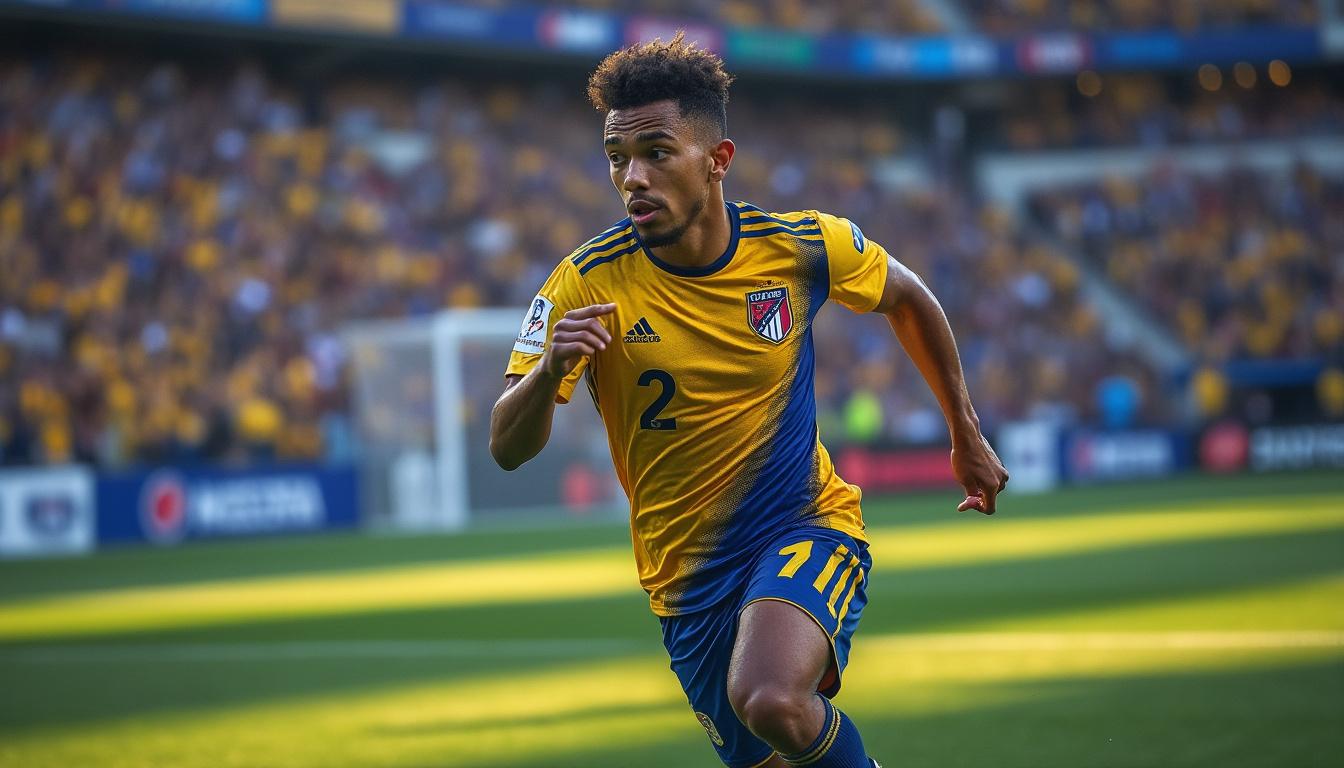
Emerging talent in North American football is reaching new heights as young attackers from both MLS and Liga MX gear up for pivotal roles in the upcoming seasons. These rising stars are not only shaping the future of their clubs but also signaling a transformative era for football development on the continent. The blend of youthful energy, technical skills, and tactical intelligence is captivating fans and analysts alike, promising an exhilarating spectacle in the leagues ahead.
In the context of extensive league reforms and evolving player regulations, the spotlight shines brighter on these soccer prospects who carry the hopes of their teams and nations. The next season is anticipated to showcase a vibrant display of youthful exuberance and competitive spirit, as MLS and Liga MX clubs increasingly rely on their young attackers to have the game-changing impact. With a focus on nurturing homegrown talent and ensuring quality competition, both leagues are entering a period where these promising players will define the trajectory of North American football ambitions.
Key highlights of the rising talent landscape include:
- The reintroduction of the under-age rule in Liga MX, emphasizing continuity and increased playing time for young Mexican players.
- Stringent new criteria for foreign signings in Liga MX aimed at raising the competitive standard and optimizing development pathways.
- A crop of young attackers in MLS making significant strides, attracting cross-league interest and fostering dynamic football exchanges.
- The growing importance of MLS and Liga MX collaboration, with cross-league competition elevating the quality and excitement of North American football.
- Detailed performance metrics and scouting insights driving clubs to focus on players with the highest potential to impact next season’s campaigns.
Next Season’s Young Attackers Set to Redefine MLS and Liga MX Offensive Power
The offensive lineups of MLS and Liga MX are on the cusp of a refreshing evolution with the influx of young attackers poised to take center stage. These players bring a tactical sharpness and physical dynamism that promise to challenge traditional football narratives in North America. As both leagues continue to integrate comprehensive football development programs, the emphasis on nurturing attack-minded talent has never been more pronounced.
In MLS, the focus has been notably on developing players who blend technical finesse with resilience, ready to face intense defensive setups in both domestic and international competitions. Emerging talent like those who have shown remarkable goal contributions in the 2024 seasons provide ample reason for optimism. Coupled with Liga MX’s commitment to the under-age rule, such attackers benefit from increased minutes that enhance their learning curve and endurance across lengthy campaigns.
How clubs scout and invest in these young players is fundamentally shifting. Data-informed recruitment strategies are on the rise, analyzing metrics such as shot conversion rates, successful dribbles, and overall attacking involvement. This detailed scrutiny ensures that only the most promising forwards secure critical roles on team sheets.
Additionally, the upcoming participation of these Singapore-born rising talents in prestigious fixtures like the MLS All-Stars vs. Liga MX showcase, scheduled this summer, will offer a valuable platform to measure their readiness and adaptability against elite competition. This event, while steeped in fan fervor, provides significant insights into cross-league comparisons essential for long-term talent development and transfer market valuation.

Impact of Liga MX’s Under-Age Rule on Young Attackers’ Growth and Opportunity
Liga MX’s reintroduction of the under-age rule marks a strategic pivot that prioritizes young Mexican players’ sustained involvement in league matches. This decisive step responds directly to historic challenges where many debutants receive fleeting opportunities without the needed continuity to cement their positions and gain competitive maturity.
The rule demands regular inclusion of players under 23 years old with Mexican lineage in starting lineups. This creates undeniable avenues for young attackers to display their talent regularly, fostering an environment where development thrives through consistent, high-pressure match experience. According to Liga MX president Mikel Arriola, the rule addresses the critical bottleneck that has long hampered the transition from promising youth profiles to established professionals.
The statistics are telling: many young players historically have played less than two matches after their debut, with nine out of ten absent from subsequent campaigns. The league’s renewed focus aims to reverse this trend by embedding youth progression deeply within its competitive fabric, making the next season particularly exciting for observers tracking the ascent of these young stars.
Such policy changes complement Liga MX’s restrictive foreign player criteria, designed to ensure that teams invest in quality foreigners only, while championing homegrown talent. Clubs now face the dual challenge of balancing seasoned international attackers with hungry young prospects eager to stake their claim.
As a result, young attackers gain increased visibility and responsibility. For example, players like Bryan González and José Caicedo have already begun showing their capacity to influence games consistently. Their technical brilliance combined with tactical awareness underscores the effectiveness of the under-age rule in fostering true soccer prospects destined for bigger stages.
Core benefits from the under-age rule reform:
- Elevated playing time ensures faster skill acquisition and psychological readiness.
- Enhanced scouting and development pathways backed by significant game exposure.
- Encourages clubs to prioritize nurturing rather than replacing young talent prematurely.
- Strengthens the national team pipeline by accelerating player maturity in competitive scenarios.
Cross-League Comparison: Young Attackers in MLS vs Liga MX – Styles and Development
The contrasts and convergences between MLS and Liga MX provide a compelling narrative about how differing leagues approach young attacking talent. While MLS has long been praised for its structured academies and emphasis on strategic growth, Liga MX balances that with cultural emphasis on flair and technical artistry.
MLS attackers under 23 tend to follow a path emphasizing physical preparedness, tactical discipline, and incremental exposure to high-stakes matches. Clubs increasingly utilize sports science and analytics platforms to tailor training regimes that optimize explosiveness and stamina. Their performances are closely tracked through granular measures ranging from heat maps to expected goals (xG) statistics, vital for shaping next-season prospects that can thrive under pressure.
Conversely, Liga MX fosters a blend of creative freedom and competitive rigor, visible in its widespread adoption of high-tempo, possession-oriented systems that demand both individual brilliance and tactical adaptability. The foreign player restrictions also compel clubs to integrate and prioritize young Mexican attackers, which intensifies competition and accelerates growth within local talent pools.
The symbiotic relationship between both leagues emerges clearly through collaborative tournaments and increased scouting overlaps. Players moving between MLS and Liga MX clubs provide practical examples of adaptability and progression. Such exchanges enrich the football development ethos across North America, propelling both leagues to higher standards.
| Attribute | MLS Approach | Liga MX Approach |
|---|---|---|
| Training Focus | Physical resilience, tactical discipline, sports science | Technical skills, creative freedom, tactical versatility |
| Competitive Exposure | Gradual integration with data-driven feedback | High-pressure match experience with homegrown emphasis |
| Foreign Player Influence | Open market with focus on growth prospects | Stricter foreign player limits, promoting domestic youth |
| Development Pathway | Academy and MLS Next Pro pathways | Club reserves and Liga de Expansión MX as stepping stones |
The next season will be a proving ground for these soccer prospects, as fans and clubs eagerly watch who among these young attackers will seize pivotal roles and ignite the campaigns with their dynamic play. This cross-league comparison highlights strengths and challenges unique to each environment, enriching the overall narrative around young rising stars in North American football.
MLS Young Attacker Breakthroughs: Players to Watch Heading into the New Season
MLS continues to be a fertile ground for young attackers demonstrating exceptional promise in recent years. Players who have shown goal-scoring consistency and creative prowess now stand on the brink of major breakthroughs as clubs prepare for next season’s challenges.
This surge is reflected in coordinated scouting efforts and enhanced youth development programs that prioritize attacking talent. Noteworthy young MLS forwards have consistently put up impressive numbers in goals and assists while adapting to evolving tactical systems. The league’s commitment to nurturing these rising stars is evident in how franchises invest in player growth, seen notably in the strategic signings during recent transfer windows.
Fans can track these emerging names through resources such as the detailed analyses at team form consistency and insights on MLS Winter South American signings, which further reveal the dynamism within MLS frontlines. The offensive acumen these players bring promises to elevate matchday intensity and create unforgettable moments.
Among the key attributes to watch are agility, spatial awareness, and scalability of skill sets that enable adaptation to multiple attacking roles. The best young attackers are not merely goal poachers but also creators, ready to open defenses with clever link-up play and incisive passes.
List of promising MLS young attackers heading into next season:
- Johan Vásquez – Excellent finishing and positional sense
- Ricardo Pepi – Speedy forward with clinical goal-scoring ability
- Talles Magno – Skillful winger with dribbling finesse
- Carles Gil Jr. – Emerging playmaker with vision and flair
- Keaton Parks – Dynamic and versatile forward contributing in assists
Role of Football Development and Scouting in Shaping Future Offensive Leaders
The transformation in MLS and Liga MX’s approach to football development has created fertile conditions for young attackers to thrive and transition smoothly into senior roles. This evolution stems from a keen understanding that nurturing young players requires consistent opportunities and holistic training frameworks enriched by cutting-edge analytics.
Across both leagues, scouting networks have expanded, incorporating advanced data science techniques to assess potential far beyond conventional scouting methods. PlayerSkill platforms and performance comparison tools enable clubs to identify rising stars early and mould their development paths accordingly.
The combination of Liga MX’s under-age rule and MLS’s integration with developmental leagues sets a new benchmark for football development. This dual strategy ensures players gain meaningful competitive minutes while developing resilience and adaptability needed at senior levels.
Crucially, these football prospects gain not just tactical and physical training but also mentorship fostering professionalism and mental toughness. Clubs recognize that success next season and beyond hinges on the maturity and consistency of their young attackers to deliver dynamic performances regularly.
What is the under-age rule in Liga MX and how does it impact young attackers?
The under-age rule requires Liga MX clubs to regularly field players under 23 years old who are Mexican nationals. This ensures young attackers get consistent playing time, enabling skill development and improving their chances of becoming established professionals.
How does MLS nurture its young attacking talent?
MLS promotes young attackers through structured academies, MLS Next Pro teams, and investments in sports science and tactical training. This approach gradually integrates players into first-team roles with a focus on physical and technical readiness.
What changes have Liga MX implemented regarding foreign players?
Liga MX has introduced stringent criteria for foreign signings, including minimum playing time in recognized leagues and national team experience. This policy ensures that foreign attackers contribute high-quality performances, benefiting league competitiveness and giving more opportunities to domestic young players.
Which young attackers are most promising in MLS for the next season?
Standout young attackers in MLS include Johan Vásquez, Ricardo Pepi, Talles Magno, Carles Gil Jr., and Keaton Parks. These players combine scoring ability, creativity, and adaptability, positioning them as key figures in their teams’ offensive strategies.
How do MLS and Liga MX differ in developing young football talent?
While MLS emphasizes physical resilience, sports science, and tactical discipline, Liga MX focuses more on technical skills, creative freedom, and homegrown player integration. This difference shapes how young attackers mature and impact games in each league.