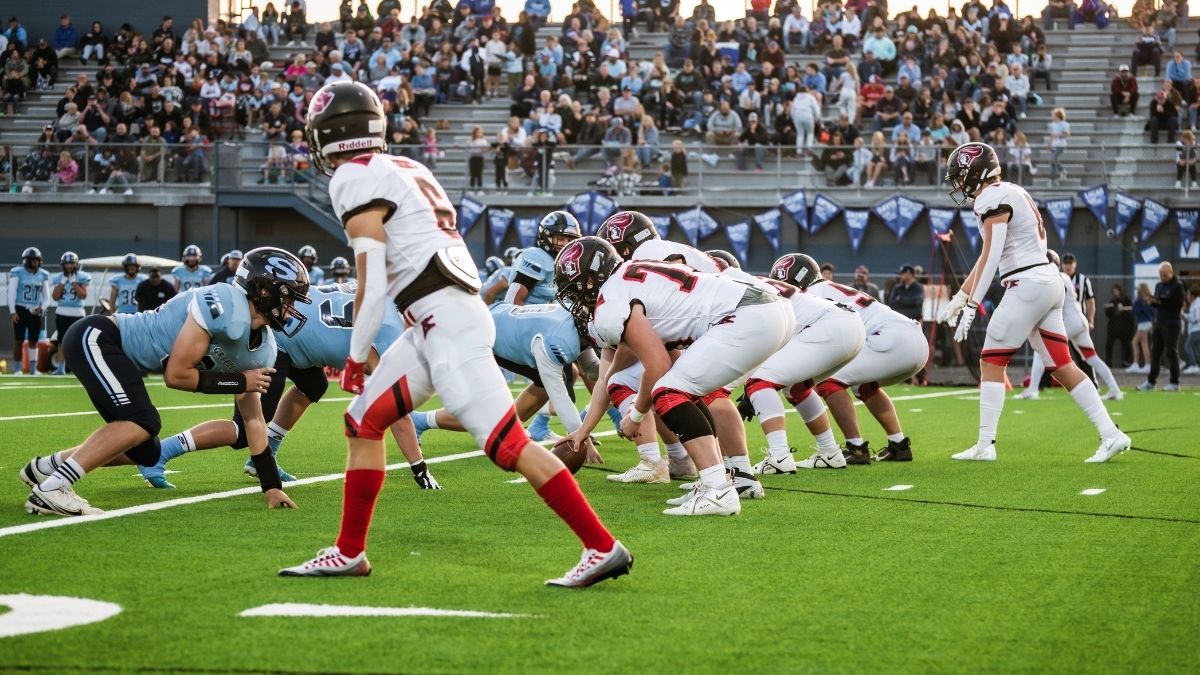
The landscape of American football coaching across the Americas is undergoing seismic shifts that will significantly impact the competitive outlook as we approach early 2026. The coaching carousel is not only spinning vigorously within college football’s powerhouse programs but also reverberating through professional leagues and emerging markets in Latin America. With major programs like Florida, Arkansas, and Penn State opening head coach positions after pivotal changes, the stage is set for a thrilling transformation that extends well beyond just who sits on the sidelines.
As franchises recalibrate team strategy and sports leadership to meet evolving challenges, this wave of coach changes in 2026 presents an intriguing scenario for fans and analysts alike. These coaching decisions bring fresh potential for strategic innovation and redefine competitive balance, creating ripples across leagues and raising the stakes for recruitment, game planning, and player development. Insights into these trends provide a valuable lens on the future, where the impact of a skilled coach can elevate or falter a team’s fortunes in the fiercely contested world of American football.
In brief, key highlights shaping this evolving sports narrative include:
- High-profile openings at traditional powerhouses such as Penn State and Arkansas indicating substantial shifts in team dynamics.
- Emergence of versatile candidates like Rhett Lashlee and James Franklin, whose records and recruiting prowess signal a new era in competitive outlook.
- Strategic moves linked to potential NFL transitions, underscoring the interconnected nature of coaching talent between college and professional levels.
- The rise of non-power conference coaches making significant impacts and reshaping expectations for mid-tier programs.
- Data-driven insights from comprehensive coaching studies that reveal growing trends in sports management and leadership effectiveness.
Powerhouse Coaching Changes and Their Ripple Effects on Americas Sports
The coaching slate across the Americas’ top-tier teams is witnessing an unprecedented degree of change that is already influencing early 2026 sports outcomes. The openings at major universities like Florida, Arkansas, UCLA, and Penn State are more than just administrative shifts—they represent pivotal moments in redefining team strategy and on-field execution. Each coaching departure and corresponding hire triggers a cascade of adjustments in recruiting pipelines, staff assembly, and player morale.
Consider Penn State’s decision to part ways with James Franklin after a 12-season tenure that, while decorated with six double-digit win campaigns and major bowl victories, suffered glaring losses against elite opponents. This move, costly with a $51 million buyout, reflects a pragmatic gamble on redefining leadership to break longstanding patterns of falling short in high-stakes games.
Similarly, Rhett Lashlee’s rising profile fueled by his transformative impact at SMU, where his attack-oriented offensive schemes led to historic conference success, signals that program turnarounds rooted in innovative coaching are at the heart of this cycle. Lashlee’s Arkansas ties further demonstrate how cultural and regional affiliations can bolster a coach’s appeal amidst coaching changes in 2026.
List of major coaching openings as of late 2025:
- Florida (Open following Billy Napier’s departure)
- Arkansas (Vacant after Sam Pittman’s exit)
- Penn State (Post-Franklin era)
- UCLA
- Oklahoma State
- Stanford
- Potential openings: Florida State, Wisconsin, Auburn
| Coach | Previous Record | Strengths | Notable Challenges | Potential Landing Spots |
|---|---|---|---|---|
| James Franklin | 128-60 | Recruiting excellence, multiple 10+ win seasons | Struggled vs. top 10 opponents, mid-season inconsistency | Power Four schools seeking program stability |
| Rhett Lashlee | 34-15 | Offensive innovation, program rebuilding | Limited Power Four head coaching experience | Arkansas, other P4 openings |
| Eli Drinkwitz | 56-27 | Offensive acumen, player development | Slow start at Missouri | Mid-tier Power Four, emerging programs |
| Matt Campbell | 108-69 | Program building, competitive in the Big 12 | Recent inconsistencies | Potential return to rust belt programs |
| Jedd Fisch | 60-28 | NFL experience, recruitment skills | Mixed college head coaching results | Florida among top candidates |
These coaching decisions inject a vital energy into the competitive analysis of 2026 sports, altering the trajectory of high-profile programs and providing fans with renewed hope and unpredictability. Coaching changes and strategies across the Americas provide rich narrative opportunities, underscoring how individual leadership can drive collective team success or collapse.

Exploring Non-Power Conference Coaching Talent with Big Impacts on Early 2026 Competitive Outlook
The coaching landscape outside of the Power Four conferences also remains vibrant with emerging names making waves that will shape the competitive outlook in the coming year. Non-Power Conference coaches have been instrumental in changing the narrative for programs that historically struggled for national relevance.
Jon Sumrall, currently leading Tulane, showcased an extraordinary ability to build winning cultures, guiding Troy to back-to-back Sun Belt titles before his current stint. The Green Wave’s strong start to the ongoing season, including an AAC championship game appearance, exemplifies how sports management principles applied expertly at all levels can yield extraordinary results.
Ryan Silverfield at Memphis offers another exemplar: he has taken the Tigers to a combined 21-5 record over two seasons with significant bowl victories, illustrating how consistent coaching impact elevates team perception and performance, especially in competitive mid-major conferences.
Key non-power conference coaches driving change:
- Jon Sumrall (Tulane) with a 38-10 record, redefining Sun Belt dominance
- Ryan Silverfield (Memphis), instrumental in consistent winning seasons
- Alex Golesh (USF), advancing a turn-around strategy and noted for marquee upsets
- Dan Mullen (UNLV), rebuilding reputation post-Florida with a strong start
- Bob Chesney (James Madison), cementing Sun Belt East leadership
| Coach | Record | Program | Key Strengths | Competitive Outlook 2026 |
|---|---|---|---|---|
| Jon Sumrall | 38-10 | Tulane | Building winning cultures, championship pedigree | High – potential for continued AAC contention |
| Ryan Silverfield | 49-21 | Memphis | Consistency, bowl success | Medium-High – on radar for major power conference move |
| Alex Golesh | 20-14 | USF | Program turnaround, signature upset wins | Medium – upward trajectory |
| Dan Mullen | 109-62 | UNLV | Offensive strategist, rebuilding reputation | Medium – watch for possible power conference return |
| Bob Chesney | 126-51 | James Madison | Consistent conference winners | Medium-High – leading Sun Belt East with strong potential |
This surge in coaching excellence beyond the blue bloods highlights the diverse talent pool influencing coach impact and reshaping the competitive landscape across the Americas’ football scene. For fans eager to understand the deeper layers of competitive balance within leagues, following these rising stars provides added excitement and crucial insight into the sport’s future.
Decoding Offseason Dynamics and Strategic Coaching Decisions for 2026 Performance
The offseason often serves as the crucible where coaching philosophies, management approaches, and team personnel decisions merge into a coherent competitive blueprint. The upcoming 2026 cycle is especially pivotal, with potential NFL exit opportunities causing a stir among collegiate coaching ranks. Coaches like James Franklin publicly expressing eagerness for new challenges underline this cross-pollination between leagues and sports management ecosystems.
Teams must now tactically coordinate not just their recruitment strategies but also monitor and adapt to these coach changes 2026 phenomena to maximize strategic advantages. Arkansas, Florida State, and Wisconsin hover on the cusp of decision points, each weighing the trade-offs of stability versus fresh leadership to reignite competitive fire. For early 2026 sports competitiveness, these decisions aren’t isolated; they ripple through athletic departments, influence player development trajectories, and sway fan engagement.
Prominent offseason coaching decisions shaping 2026 outlook:
- Penn State releasing James Franklin, crafting a new leadership vision.
- Arkansas considering Rhett Lashlee as a homegrown coaching renaissance figure.
- Potential movement seen among Florida State, Wisconsin coaches amid performance assessments.
- Watchlist including Matt Campbell and Jedd Fisch as aspirants for power conference jobs.
- Monitoring NFL-linked coaches for possible college returns, adding complexity.
| Team | Recent Coaching Moves | Strategic Impact | Expected Competitive Outcome |
|---|---|---|---|
| Penn State | Moved on from Franklin | Complete rebuild of leadership, cultural reset | Medium-High volatility early 2026 |
| Arkansas | Vacancy, Lashlee linked | Potential offensive innovation, regional recruitment boost | High, depending on hire execution |
| Florida State | Possible changes looming | Seeking performance resurgence | Uncertain, watcher’s spot |
| Wisconsin | Viewing coaching options | Stability vs. innovation dilemma | Balanced outlook |
These offseason coaching decisions underscore the profound influence of leadership transitions on early season momentum, team cohesion, and broader competitive dynamics. Fans and analysts keen on tracking both breaking news and deeper strategic implications will find value in the ongoing updates at football news update portals that dissect every ripple in real-time.
Analytical Insights from Global Coaching Studies Informing Football Management and Leadership
Beyond the immediate shifts on the sidelines, the broader coaching profession across the Americas and worldwide is illuminated by rigorous studies such as the International Coaching Federation (ICF) Global Coaching Study. These reports spotlight pivotal trends that permeate football coaching philosophies, sports leadership growth, and the evolving role of mentors in athletic success.
The 2023 ICF Global Coaching Study marked an unprecedented expansion in professional coaching, with over 109,000 coaches worldwide and a hefty 60% surge in global coaching-generated revenues since 2019. This growth reflects the increasing recognition of quality coaching as a transformative force in sports management and competitive balance.
Important demographic and professional metrics from these studies highlight:
- Coach demographics: Nearly half (48%) of coaches belong to Generation X, with a strong presence of Millennial coaches rising particularly in North America.
- Gender shift: Women coaches increased by 15% from 2015 to 2023, contributing to diversity and new perspectives in sports leadership.
- Professional development: A growing demand for certifications and credentialing demonstrates an industry commitment to higher standards and impactful coaching.
- Client demographics: Most clients are between 35-44 years, underscoring coaching’s relevance beyond grassroots and athlete guidance into leadership and management.
| Year | Coaches Worldwide | Revenue (USD Billion) | Coach Gender Ratio | Certification Rate (%) |
|---|---|---|---|---|
| 2007 | 30,000 | 1.5 | 68% Female | ~52% |
| 2012 | Increased | — | — | Growing confidence |
| 2016 | 53,300 | — | — | Emphasis on manager-coaches |
| 2020 | High | 2.8 | — | 74% certified |
| 2023 | 109,200 | 4.564 | 72% Female | Increased |
The synthesis of such coaching data feeds back into the American football sports management ecosystem, influencing how teams select leadership, implement coaching decisions for franchises, and adapt to continuously shifting competitive landscapes.
Emerging Trends in Coaching Impact on Early 2026 Team Strategy and Player Performance
Individual coaching decisions resonate deeply on the field, shaping player development and game-day execution that ultimately dictate competitive rankings and fan fervor. The transformative potential of coaching was exemplified during the recent seasons where tactical innovations by fresh hires or established leaders created surprise outcomes and invigorated struggling programs.
James Franklin’s tenure, though marked by setbacks against elite teams, illustrated how a coach’s ability to consistently recruit and develop talent can fuel competitive success and fanbase optimism. In contrast, a candidate like Rhett Lashlee leverages a dynamic offensive mindset that not only improves scores but enhances team identity and resilience.
During match weekends, the visible impact of coach leadership is palpable—from sideline adjustments to inspiring players that carry them across tight finishes. This intense coach impact, combined with strategic scouting and injury management, composes a comprehensive approach to competitive success.
- Enhanced play-calling precision informed by advanced analytics and game film studies.
- Improved player morale and psychological preparedness through adept leadership.
- Adaptive in-game modifications reacting to opposition tendencies and injuries.
- Recruitment strategies targeting key positional needs aligned with coach philosophies.
| Area | Influence of Coaching Decisions | Examples |
|---|---|---|
| Game Strategy | Determines offensive and defensive schemes | Rhett Lashlee’s offensive innovation at SMU |
| Player Development | Refines individual skills and mental preparedness | Eli Drinkwitz coaching of QB Brady Cook |
| Team Morale | Builds confidence and resilience under pressure | James Franklin’s long-term recruiting relationships |
| Injury Management | Adapts lineups and play calls to available personnel | Adjustments in high-stakes games analyzed at injury impact report |
As the competitive outlook evolves, tracking these nuanced coaching effects across player performances and team outcomes will remain central to understanding early 2026’s sports narratives and the recalibration of power within American football’s vibrant ecosystem. Player weekend impact analyses continue to highlight how coaching prowess translates directly into field-day results.
What makes coaching decisions so critical in shaping the early 2026 competitive outlook?
Coaching decisions influence everything from recruiting strategies, game-day tactics, to team morale and injury management, profoundly affecting team performance and outcomes.
Which coaching candidates are positioned to make a significant impact across the Americas?
Names like James Franklin, Rhett Lashlee, and Eli Drinkwitz stand out due to their prior records, recruiting skills, and ability to rebuild teams, positioning them as influential figures in early 2026.
How do non-power conference coaches influence the broader competitive landscape?
Non-power conference coaches bring innovative strategies and winning cultures to programs outside the traditional powerhouses, raising the overall competitiveness and unpredictability in the sport.
What are the latest insights from global coaching studies relevant to American football?
Studies show a growing professionalization of coaching with increased certifications, demographic shifts, and revenue growth, indicating elevating standards and diverse leadership in football coaching.
How do coaching changes affect player performance on game day?
Coaching changes affect play-calling, morale, and adaptability during games, directly influencing how players perform and how teams respond under pressure.