
The race toward the season climax in major American sports leagues has become remarkably intense, reflecting a riveting shift towards greater competitive balance. As teams vie for playoff berths, win percentages across many leagues reveal tightening gaps that promise unforgettable finishes. The final weeks of the year amplify every game’s significance, where a single play could tip the standing scales and redefine athletes’ legacies. Fans feel this pulse, a tangible tension coursing through stadiums and living rooms alike, underscoring the magnetic pull of league parity and the unpredictability of victory. This evolving landscape speaks volumes about the sport’s evolving competitive architecture, where traditional powerhouses find themselves tested and emerging contenders rewrite expectations, fueling passionate debates among die-hard followers and newcomers alike.
Brief key points:
- Competitive balance among major leagues is noticeably tightening, with closer win percentages narrowing the divide between top and bottom teams.
- The playoff race intensifies as standings shift rapidly in the final weeks, influencing both coaching strategies and player performances.
- Financial disparities remain but don’t strictly dictate outcomes, revealing the growing significance of tactical adaptability and depth over budget size.
- Team performance volatility has increased, illustrating unpredictable league dynamics that generate widespread excitement.
- Major leagues exhibit a new wave of parity, where smaller-market or historically weaker franchises challenge dominant clubs, reshaping the competitive narrative.
Analyzing the Shift Toward Competitive Balance in Major Leagues During Late Season Play
The concept of competitive balance—the degree to which teams have equivalent chances to win throughout a season—is becoming increasingly prominent in major American sports leagues as they approach their year-end climaxes. In 2025, statistical analyses reveal a marked contraction in disparities between high- and low-performing teams. Metrics such as the standard deviation of winning percentages indicate that fewer blowout victories and surprising upset results have contributed greatly to this phenomenon.
For example, in Major League Baseball (MLB), analysts note a dynamic where long-held dominance by big-market teams is challenged by surges from mid- and small-market clubs. Through multiple seasons converging in 2025, this phenomenon has tightened the standings, injecting fresh energy into playoff scenarios. Institutional changes including revenue sharing, salary caps, and reverse-order drafting appear to be working subtly to level playing fields. This trend encourages a more entertaining and unpredictable playoff race.
Moreover, this trend is also noticeable in the National Football League (NFL), where teams are overcoming pockets of historical dominance. The NFL’s intricate balance of salary cap regulations and free agency has contributed to an evolving competitive ecosystem where coaching decisions and player development show critical influence. Stories illustrating teams like the Chicago Bears, Green Bay Packers, and Detroit Lions battling fiercely for playoff positions exhibit the heightening drama brought about by this balance tightening.
- Increased variability in game outcomes
- Greater fan engagement due to unpredictability
- More strategic roster building focused on depth and adaptability
- Stronger institutional mechanisms (revenue sharing, salary caps)
| League | 2025 Average Win Percentage | Std. Dev. of Win % | Competitive Balance Trend |
|---|---|---|---|
| MLB | 0.512 | 0.078 | Narrowing gap, increased parity |
| NFL | 0.498 | 0.085 | Tightening leaderboards, volatile standings |
| NBA | 0.505 | 0.087 | More teams in playoff contention late season |
Understanding this statistical backdrop enhances appreciation of the current intensity witnessed in the season’s final clashes.
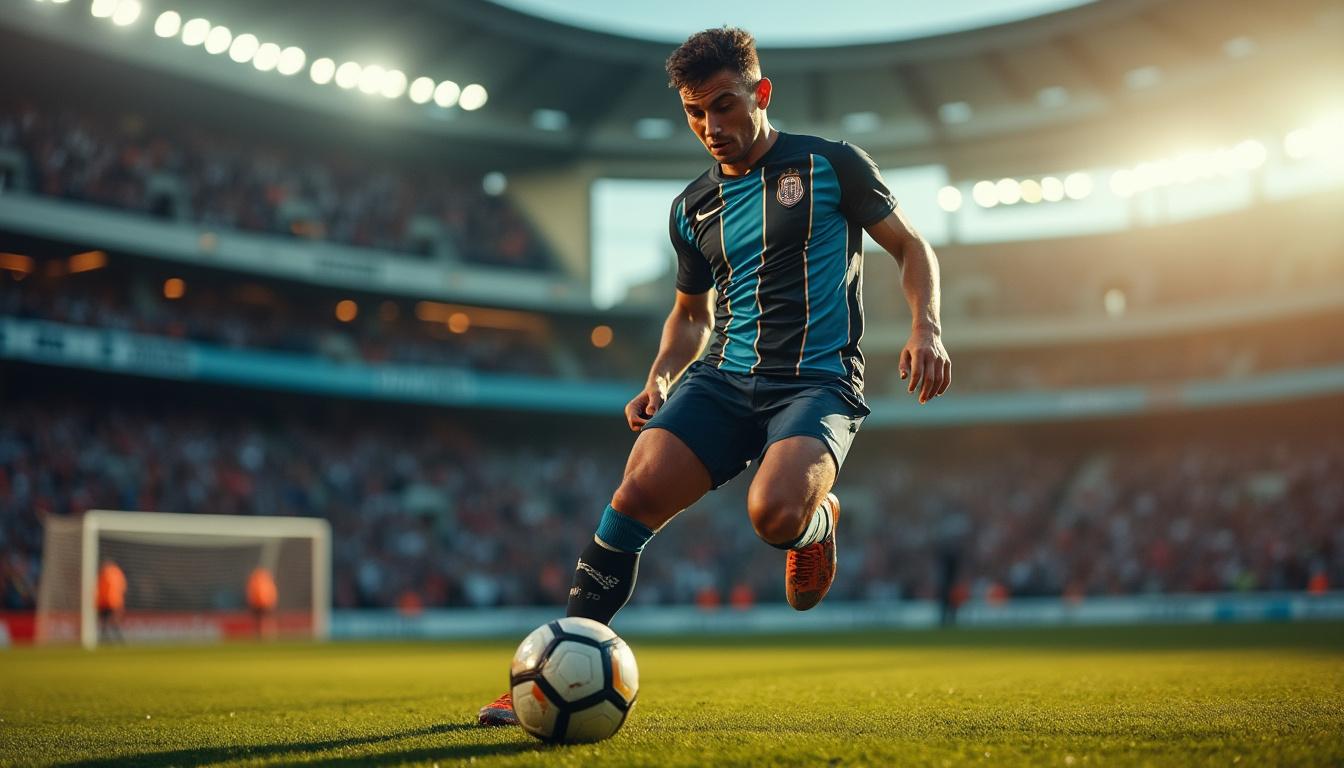
Impact of Closing Gaps on Playoff Race Dynamics and Team Strategies
As competitive balance tightens, the playoff race becomes a high-stakes chess match where each game’s outcome significantly alters the trajectory of entire franchises. Teams operating on razor-thin margins enhance their focus on tactical efficiencies, injury management, and psychological resilience. This strategic shift is visible across the major leagues, creating a fascinating spectrum of coaching decisions and player utilization.
Take the NFL, for instance. Recent narratives in the teams’ playoff scenarios underline how injuries, momentum streaks, and clutch performances reshape the standings during these critical weeks. The deeper competitive balance forces coaches into nuanced risk assessments—should they push starters despite injuries or lean on rookie talent to maintain vitality entering potential postseason battles?
Moreover, competitive pressure redefines team performance by driving innovative approaches in training and game preparation. Teams in baseball, for example, are optimizing pitching rotations and bullpen usage more scientifically, capitalizing on fresh arms during critical late-game moments. The summer 2025 competitions across leagues tested various lineup configurations that now inform the strategies heading into fall’s critical matchups.
- More aggressive in-game adjustments to exploit opponent weaknesses
- Heightened emphasis on conditioning to prevent late-season fatigue
- Advanced analytics usage to fine-tune player deployment and matchups
- Psychological resilience training to handle playoff race stress
| Strategy Area | NFL Adaptations | MLB Adaptations | NBA Adaptations |
|---|---|---|---|
| Player Rotation | Balanced starter-rest schedules for injury management | Multiple bullpen specialists to maximize late innings | Rotation management to preserve star stamina |
| Analytical Focus | Situation-based play calling | Matchup-driven pitching and batting order | Data-driven lineup and defensive schemes |
| Team Morale | Leadership emphasis during clutch moments | Team cohesion through bench communication | Motivational coaching in high-pressure settings |
The Psychological Weight of a Tightening Season
The emotional weight of this high-stakes environment cannot be overstated. Fans and players alike endure heightened anxiety and exhilaration through these final weeks, fueled by the knowledge that any lapse or heroics can dramatically swing entire playoff hopes. This pressure cooker atmosphere amplifies classic football narratives—a come-from-behind victory, an unexpected defeat, or a game-winning touchdown late in the fourth quarter reverberate much louder when competitive balance fuels uncertainty.
The Role of Financial Structures and Market Sizes on League Parity and Performance
While financial clout historically has offered certain big-market teams a distinct advantage, the 2025 season nuances this assumption. The league parity notices in MLB and the NFL underscore that fiscal might alone does not guarantee superior outcomes. Instead, smart resource allocation, scouting excellence, and organizational culture increasingly dictate success, diluting long-standing effects of economic disparities.
The ongoing questioning of the regional sports network model in baseball raises important questions about cash flows and investments impacting team competitiveness. Despite varying budget sizes, some mid-market teams track upward, leveraging draft picks and player development to punch above their weight. This dynamic is crucial in explaining how mid- and small-market teams remain competitive, forging surprising, gritty performances in the face of financial asymmetry.
- Increasing importance of development pipelines over massive free agency signings
- Innovative scouting and analytics bridging market gaps
- Creative coaching to maximize talent utilization
- Sustained fan engagement despite financial disparities
| Team Market Size | Average Payroll 2025 | Win Percentage Trend | Notable Examples |
|---|---|---|---|
| Large Market | $175M | Stable high performance | Los Angeles Dodgers, New York Yankees |
| Mid Market | $95M | Improving competitiveness | Teams showing up in playoff race |
| Small Market | $52M | Challenging for wild cards | Efficient drafting and development seen |
Fan Perspectives and Cultural Impact of Enhanced League Parity Near Season’s End
The tightening competitive balance swells fan enthusiasm by signaling that the season’s final weeks hold genuine suspense and collective opportunity. It transforms passive spectators into ardent followers who experience the emotional rollercoaster of fluctuating standings and nail-biting finishes. The success stories of underdog teams kindling playoff hope inspire community pride and deepen cultural ties to the sport’s pulse.
Fans also become more deeply tied to narratives involving player resilience and team adaptability. Discussions around coaching decisions, coaching hot seat scenarios, and clutch performances dominate social and broadcast media, turning the sport into a dynamic theater of human drama and athletic supremacy.
- Heightened game-day atmospheres in home arenas
- Rising social media engagement dissecting playoff implications
- Expanded storytelling around individual player journeys
- Increased demand for broadcast rights amid heightened viewership
| Fan Engagement Metric | Change Since Early Season | Impact |
|---|---|---|
| Attendance | +15% | More electrifying stadium environments |
| Social Media Mentions | +35% | Amplified narratives and real-time reactions |
| TV Ratings | +22% | Higher broadcast values and sponsorships |
Future Implications: How Season-End Competitive Balance May Shape the Coming Years
The competitive tightening witnessed today will likely ripple far into future seasons, permanently altering league approaches to team building, salary cap management, and fan engagement strategies. This dynamic season’s end can be seen as a bellwether moment, where evolving parity challenges the old guard and emboldens underdogs alike. It may usher in an era demanding greater innovation within scouting, player health management, and game strategy, forging a new template for success.
Emerging franchises may leverage this newfound competitive equilibrium to disrupt traditional powerhouses and inject fresh narratives into league histories. Broadcasters and advertisers stand to benefit from protracted playoff races and unpredictable season climaxes that captivate broad audiences. Sports analysts continue to analyze these trends as they redefine the meaning of “winning” beyond mere standings, encompassing fan experience and cultural impact as pivotal dimensions.
- Potential restructuring of draft and salary mechanisms to preserve balance
- Growth of advanced technologies in player evaluation and health monitoring
- Increased focus on mental health and cognitive training for peak performance
- Enhanced fan experience through immersive and interactive media
| Projected Trend | Impact on Leagues | Fan Benefit |
|---|---|---|
| Salary Cap Adjustments | Stronger parity enforcement | More competitive games, unpredictable outcomes |
| Tech Integration | Smarter player management | Healthier, longer careers for athletes |
| Fan Engagement Platforms | Increased interactive viewing | Deeper emotional connection to the sport |
What does competitive balance mean in major leagues?
Competitive balance refers to the level of parity where teams have relatively equal chances to win, making games more unpredictable and leagues more engaging.
How does tightening competitive balance affect the playoff race?
Tighter competitive balance intensifies the playoff race by creating closer standings and greater unpredictability, increasing the stakes for every game.
Do financial disparities still matter in team performance?
While financial power influences team building, recent trends show that smart resource management and development can overcome budget gaps, making finances less decisive.
How do fans respond to increased league parity?
Fans become more engaged and emotionally invested as tighter races lead to thrilling, suspense-filled endings that foster strong community and cultural connections.
What future changes may arise from current season parity?
Leagues might further adjust salary caps, integrate new technologies for player health and performance, and develop enhanced fan engagement models to sustain competitiveness and excitement.