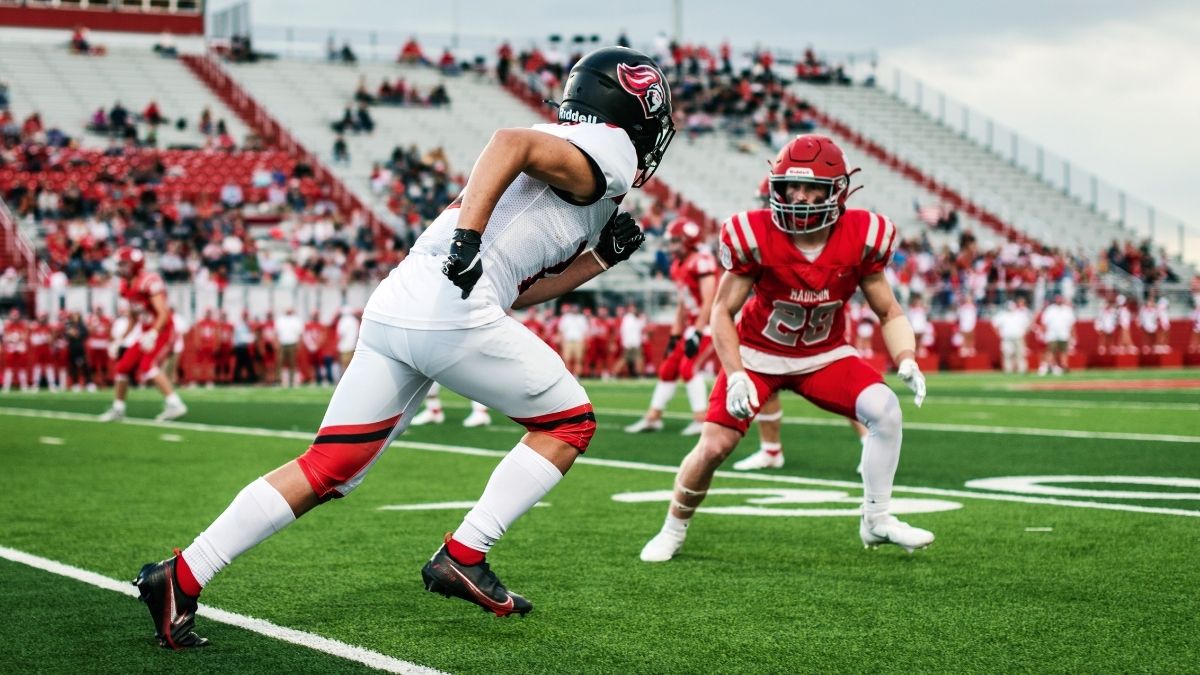
As the NFL season reaches its critical turning point on November 24, 2025, star running backs emerge as pivotal catalysts for their teams’ momentum. Their ability to control the ground game, break through defensive lines, and sustain offensive drives is transforming match outcomes and igniting fan fervor across stadiums nationwide. This phase of the football season is where running back stats transcend mere numbers, embodying the raw power and strategic acumen that fuels game-changing plays. From seasoned veterans redefining their roles to rising rookies carving out early legacies, the landscape of NFL players shaping team momentum becomes clearer week by week.
Experience blends with youthful resilience as football strategy adapts to the dynamic demands of each game. Teams lean heavily on their key backs to maintain offensive performance, weathering defensive pressure while capitalizing on both rushing and receiving opportunities. The nuanced interplay of individual talent and team dynamics highlights the immense value of star running backs in orchestrating victories and establishing dominant positions in the league standings. This moment in the 2025 football season underscores the indispensable role of these athletes, whose impact extends far beyond the stat sheets to define the heart and soul of their teams’ pursuits.
Elite Running Backs Driving Team Momentum Through Their Rushing Prowess
Running backs continue to be the heartbeat of their teams’ offensive performance, especially as the season grinds toward its climax. Players like Saquon Barkley of the Philadelphia Eagles and Derrick Henry of the Baltimore Ravens exemplify how top-tier backs shape team momentum through sheer rushing dominance. Barkley’s stunning 2,005 rushing yards last season, combined with his exceptional yards per carry, underscore his ability to break tackles and sustain drives under heavy defensive pressure. His role is not just about moving the chains but igniting the crowd and energizing the offense.
Similarly, Derrick Henry’s relentless downhill running style complements Lamar Jackson’s elusive quarterbacking, creating a dual-threat dynamic that few defenses can contain. Henry’s 1,921 rushing yards and 16 rushing touchdowns from last season speak volumes about his physical dominance and consistency. These star running backs do more than compile personal stats—they elevate their entire team’s energy and cause ripples among opponents, forcing them to adjust their game plans extensively.
Strategic Implications of Star Running Back Usage
Teams strategically deploy their premier backs to leverage their unique skill sets, blending power runs with pass-catching abilities. For instance, Brian Robinson of the Washington Commanders and Christian McCaffrey of the San Francisco 49ers bring dual-threat capabilities, contributing not only as ground gainers but also as reliable receivers out of the backfield. Robinson’s role under Kliff Kingsbury’s offense gains prominence with the addition of weapons like Deebo Samuel, enhancing offensive diversity and unpredictability.
McCaffrey’s return from injury marks a crucial boost for the 49ers, who leaned heavily on his versatility before his absence impacted their overall scoring output. Utilizing star running backs in versatile roles aligns with modern football strategy, emphasizing adaptability to shifting defensive looks and maximizing offensive options. This multifaceted utilization ensures these players influence the game beyond traditional rushing metrics.
| Running Back | Team | 2024 Rush Yards | Rush TDs | Receptions | Rec Yards |
|---|---|---|---|---|---|
| Saquon Barkley | Philadelphia Eagles | 2,005 | 13 | 33 | 278 |
| Derrick Henry | Baltimore Ravens | 1,921 | 16 | 19 | 193 |
| Christian McCaffrey | San Francisco 49ers | 202 | 0 | 15 | 146 |
| Brian Robinson | Washington Commanders | 799 | 8 | 20 | 159 |
Understanding this strategic deployment is essential for fans trying to grasp how star running backs influence overall football dynamics and snap share and usage rates within their teams. The ability to adapt and expand their role contributes not only to individual running back stats but also to the broader team momentum essential for success on November 24, 2025, and beyond.
How Rookie Running Backs Are Establishing Their Presence and Impact
The 2025 season has also been remarkable for the emergence of rookie running backs who are making significant contributions to their teams’ offensive schemes and momentum. Players like Omarion Hampton of the Las Vegas Raiders and Quinshon Judkins of the Cleveland Browns are generating buzz by stepping into high-pressure roles and matching up against seasoned NFL defenders.
Omarion Hampton’s integration into Jim Harbaugh’s run-centric offense highlights how rookies can become immediate workhorses when the system supports their strengths. Hampton’s patience and ability to bounce off defenders position him as the focal point of the Raiders’ rushing attack, even with experienced players such as Najee Harris in reserve. His early success signals a dynamic shift in the team dynamics, sparking optimism for sustained ground game excellence this season.
Similarly, Judkins’ opportunity in Cleveland comes amidst an uncertain quarterback situation, emphasizing the Browns’ reliance on a stable rushing attack to balance offensive performance. As new and veteran players intermingle, the rookies’ performances offer fresh hope and a chance to reshape team momentum mid-season.
Key Factors Driving Rookie Success
- Team Environment: Strong coaching philosophies like those of Jim Harbaugh and Kevin Stefanski provide rookies with confidence to excel.
- Opportunity Through Injuries or Role Shifts: Injuries to veteran players or strategic committee backs open the door for rookies to showcase skills.
- Committed Offensive Lines: Investing in offensive line upgrades, as seen in several NFL teams, affords rookies the critical gaps needed for impactful runs.
- Adaptability in Play-Calling: Offensive coordinators incorporating versatile play schemes allow rookie backs to exploit defenses creatively.
| Rookie Running Back | Team | Projected Role | Strengths | Potential Impact |
|---|---|---|---|---|
| Omarion Hampton | Las Vegas Raiders | Bell Cow | Patience, Breakaway Ability | Immediate Lead Back, Increased Offensive Versatility |
| Quinshon Judkins | Cleveland Browns | Potential Lead Back | Power Running, Receiving Skills | Stabilize Rushing Attack Amid QB Uncertainty |
| TreVeyon Henderson | New England Patriots | Complementary Back | Explosiveness, Pass-Catching | Support Lead RB and Expand Offensive Play-Calling |
These rookies’ ascensions also intersect with the broader implications of NFL injury updates and team adjustments given the heavy demands of the season, detailed in the latest injury reports affecting playoff contenders. Their emergence is vital for sustaining offensive performance and ensuring that teams maintain momentum in this critical period.
The Role of Running Backs in Maintaining Offensive Performance Under Pressure
Certain NFL players specialize not only in gaining yardage but thrive under the intense pressure that defines late-season football. Players like Ezekiel Elliott of the Dallas Cowboys, Alexander Mattison of the Minnesota Vikings, and D’Andre Swift of the Chicago Bears are pivotal in scenarios where strategic ground gains are necessary amidst escalating defensive pressure.
Running backs who excel under pressure often become the stabilizers for their teams, managing clock time, and making critical third-down conversions that lift team momentum. Elliott’s transition into more of a committee system in Dallas reflects evolving team dynamics, highlighting how veteran backs adapt their playing style in response to changing football strategies and the presence of rising stars like Jaydon Blue. Meanwhile, Mattison benefits from Minnesota’s revamped offensive line, designed to give running backs better lanes and enhanced durability late in games.
Techniques & Strategies Backs Employ to Success Under Pressure
- Patience and Vision: Waiting for blocks to develop and finding optimal gaps boosts yards after contact.
- Ball Security: Reduced fumble rates ensure sustained drives and team trust in key moments.
- Versatility: Being able to catch passes out of the backfield adds unpredictability and offensive efficiency.
- Physical Conditioning: Endurance and injury prevention tactics help backs maintain peak performance late in the football season.
| Running Back | Pressure Scenarios | Fumble Rate | Third Down Conversion % | Receiving Contributions |
|---|---|---|---|---|
| Ezekiel Elliott | Short Yardage, Late Quarters | Low | 58% | Medium |
| Alexander Mattison | Third-Down Back, Garbage Time | Very Low | 62% | High |
| D’Andre Swift | Change of Pace, Passing Situations | Medium | 55% | Very High |
These comprehensive skill sets enable running backs to absorb intense game impact and maintain critical offensive flows that preserve and build team momentum. Their adaptability and resilience underscore why they remain central to football strategy, especially during the grueling final stretch of the NFL calendar, articulated more deeply in coverage about quarterbacks and pressure dynamics influencing offensive rhythms.
Analyzing Running Back Stats to Project November 24, 2025 Game Outcomes
Running back stats serve as vital barometers for forecasting team performances and momentum on November 24, 2025. Analyzing rushing attempts, yards per carry, total touchdowns, receptions, and yards after contact provides richer insight into their projected impact. Teams with robust ground attacks generally fare better in high-pressure games and benefit from controlling the clock and pace, critical elements during this decisive week.
For instance, teams with star backs boasting over 1,300 rushing yards and double-digit touchdowns last season, such as Aaron Jones from the Green Bay Packers and Josh Jacobs from the Los Angeles Rams, have demonstrated tendencies toward sustained offensive success. These backs feed off their offensive lines’ proficiency and the offensive coordinators’ ability to innovate play-calling, driving game-changing momentum.
| Player | Team | Rushing Yards 2024 | Rushing TDs 2024 | Yards/Carry | Receptions | Receiving Yards |
|---|---|---|---|---|---|---|
| Aaron Jones | Green Bay Packers | 1,329 | 15 | 4.4 | 36 | 342 |
| Josh Jacobs | Los Angeles Rams | 1,299 | 14 | 4.1 | 34 | 182 |
Recognizing patterns in running back stats alongside offensive line strength—outlined in detailed analyses like this exploration of line play and team success—illuminates how these backs maintain team dynamics and enable other offensive weapons to flourish. This multifaceted approach to assessing team momentum on game day is central to grasping the evolving narrative of the 2025 NFL season.
Strength of Schedule and Its Influence on Star Running Backs and Team Momentum
As November 24, 2025 approaches, the upcoming opponents’ strength and defensive rankings critically shape the outlook for running backs and their teams. Strength of schedule (SOS) for running backs assesses the relative difficulty of remaining matchups and projects how efficiently backs can produce under varying defensive pressures.
The Cincinnati Bengals, for example, enjoy a notably easy schedule for their backs this season, enhancing the potential for Chase Brown and his teammates to sustain peak form. In contrast, teams like Buffalo face tougher defensive alignments, demanding even more from their top backs. Understanding these nuances sharpens predictions of how star running backs will affect their teams’ momentum during crucial games.
- Ease of Defensive Matchups: Softer defenses translate to higher fantasy points and yards gained, turbocharging team momentum.
- Travel and Fatigue Factors: Road games against tough defenses challenge running back stamina and consistency.
- Impact of Injuries: Defensive injuries can alter matchup toughness dramatically, shifting advantages for rushing attacks.
- Offensive Adjustments: Teams tailor game plans based on opponent tendencies, affecting running back usage and overall performance.
| Team | Running Back | Strength of Schedule Rating | Impact on Game Outlook |
|---|---|---|---|
| Cincinnati Bengals | Chase Brown | Easy (5 stars) | High potential for yardage and touchdowns |
| Buffalo Bills | James Cook III | Moderate (2 stars) | Challenging defenses may limit production |
| Arizona Cardinals | James Conner | Neutral (3 stars) | Balanced outlook with moderate opportunity |
For a deeper dive into the evolving tactical environment affecting running back roles and team momentum, see analyses on the NFL football outlook for late November 2025. Understanding SOS contextualizes star running backs’ opportunities and highlights how their performance directly shapes game impact and team trajectories as teams vie for playoff positioning.
How do star running backs influence team momentum during critical late-season games?
Star running backs significantly affect team momentum by controlling the pace of the game through effective rushing, sustaining drives, and creating scoring opportunities that energize both players and fans.
What factors contribute to a rookie running back’s immediate success in the NFL?
A supportive team environment, strong coaching, opportunities arising from injuries, adaptable play-calling, and a committed offensive line are key contributors to rookie running back success.
How does strength of schedule affect running back performance and team dynamics?
Strength of schedule influences the difficulty of matchups, impacting how effectively running backs can produce and thereby shaping overall team momentum and offensive strategies.
Why is versatility important for modern running backs?
Versatility allows running backs to serve as both rushing and receiving threats, thus increasing unpredictability in offensive plays and adapting to evolving defensive schemes.
What role does injury status play in running back usage and team strategy?
Injuries can reshape running back usage by opening opportunities for backups or rookies and forcing teams to adjust play-calling and offensive focus to maintain effectiveness under pressure.