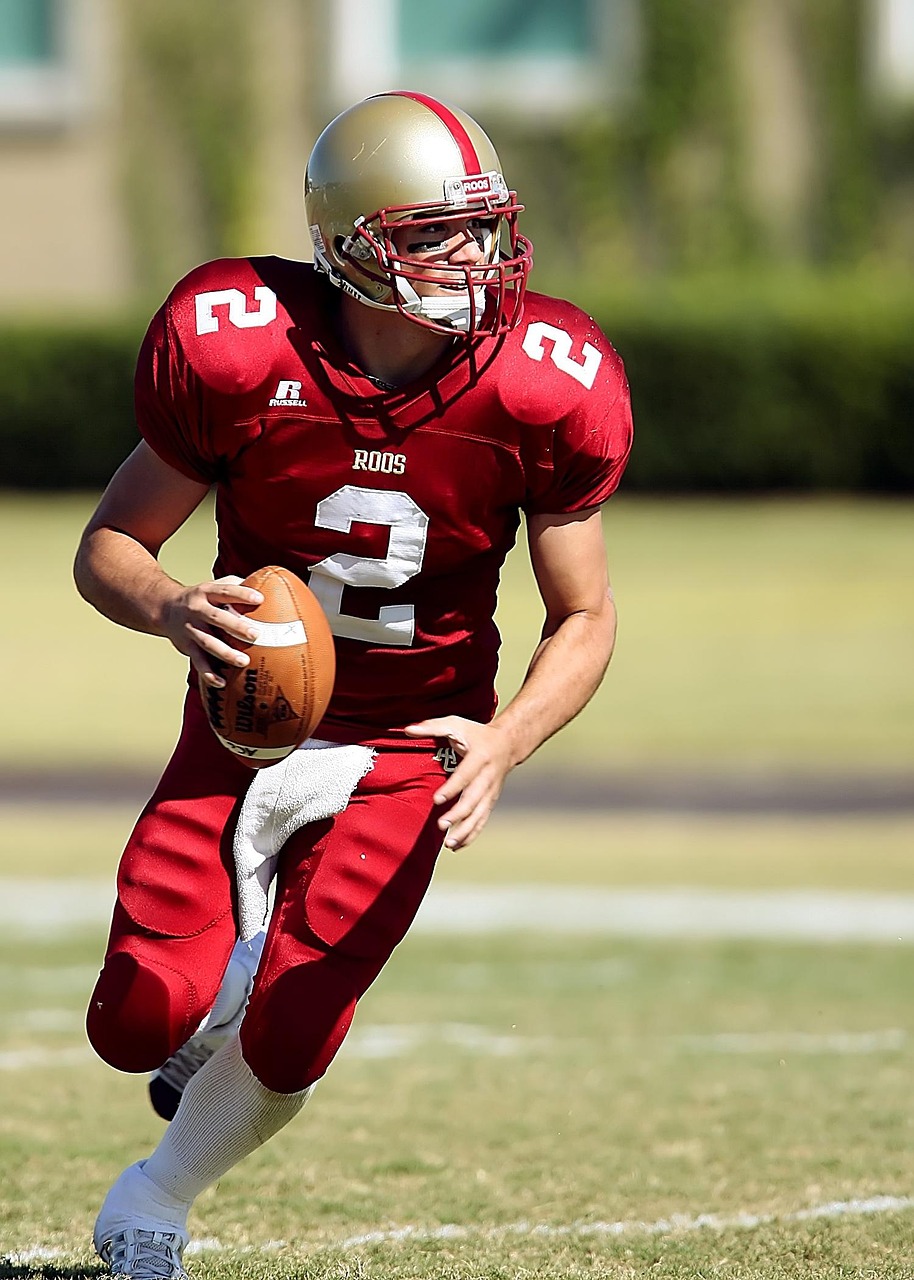
The 2025 football season is marked by a seismic shift in coaching leadership across both college and professional levels, redefining strategies and molding team dynamics in unprecedented ways. With an expanded 12-team College Football Playoff raising stakes for coaches nationwide, organizations are swiftly making bold decisions to revamp underperforming units. The influx of new faces on sidelines is not only altering playbooks but also impacting player development, locker room morale, and fan engagement. From powerhouses to emerging programs, these changes encompass coordinators and head coaches alike, triggering ripple effects felt deeply in game-day performances.
In a sports world fueled by intense rivalries and relentless ambition, coaching transitions have emerged as a critical catalyst redefining seasonal trajectories. Clubs are balancing fresh philosophies with established traditions in a quest for competitive resurgence. This transformation resonates well beyond tactical adjustments, touching on recruitment, player psychology, and the broader culture surrounding American football. As Nike outfits evolve and brands like Adidas and Under Armour vie for visibility, coaching revamps also shape commercial narratives and fan experiences.
The volatility of modern football ecosystems, accelerated by the Transfer Portal and NIL deals, demands adaptive leadership capable of navigating uncharted waters. The season exemplifies how a coach’s vision and decision-making prowess can separate contenders from pretenders. This evolving landscape invites deep analysis of how these strategic overhauls translate to on-field results and fantasy rankings, with platforms like ESPN and Sports Illustrated closely tracking every move.
As teams juggle the complex interplay between new staff and athlete potential, the 2025 coaching carousel underscores the profound importance of leadership stability—and the risks of upheaval—in shaping pathbreaking seasons. Drawing on insights from the latest transactions and tactical adjustments, this article dissects the nature of these sweeping changes and their revolutionary impact on football’s competitive fabric.
Key Insights into Coaching Changes Shaping 2025 Football
- Expanded College Football Playoff intensifies pressure, sparking widespread coaching turnover at major programs.
- Transfer Portal and NIL create fluctuating rosters, demanding agile and innovative coaching approaches.
- Significant midseason coordinator firings and hires reflect teams’ urgent adjustments to poor performance.
- Head coach replacements drive renewed strategies, affecting team culture and game-day tactics sharply.
- Impact on fantasy football highlighted by changing offensive schemes and quarterback development under new coaches.
- Brand partnerships and fan engagement tied to coaching narratives emphasize off-field elements of transformation.
College Football Coaching Changes: High Stakes and New Directions in 2025
The 2025 college football landscape has been volatile, with coaching changes sweeping through programs more frequently than in previous years. The expansion of the College Football Playoff to a 12-team format has elevated expectations dramatically. Teams that once considered modest success sufficient now find their seasons under scrutiny when playoff spots slip away. This high-stakes environment has pressured athletic departments into parting ways with coaches whose records no longer meet the elevated bar.
Examples abound illustrating this trend. Southern Miss fired Will Hall after posting a disappointing 1–6 start in 2024, despite his six-year tenure totaling a 14–30 record. Meanwhile, East Carolina promoted Defensive Coordinator Blake Harrell to head coach after dismissing Mike Houston, signaling a shift to promote internal continuity amid turbulent times. Similarly, Rice parted with Mike Bloomgren and turned to former Davidson coach Scott Abell, aiming to inject a fresh approach to revive their program’s competitive spirit.
Midseason coordinator firings have also become an increasingly common tactic to arrest downward spirals. Oklahoma’s dismissal of Offensive Coordinator Seth Littrell after a humiliating 35-9 loss epitomizes this reactive strategy. Hiring dynamic figures like Ben Arbuckle signals teams’ desire to rapidly infuse fresh offensive creativity to energize rosters and rekindle fan interest.
Other notable coaching shuffles include Gus Malzahn departing UCF to take on Florida State’s offensive coordinator role, while Florida State overhauled its staff by replacing coordinators Alex Atkins and Adam Fuller with seasoned veterans Malzahn and Tony White. This underscores a broader theme: institutional willingness to embrace experienced leadership to stabilize precarious situations.
- Ten prominent head coaching changes at NCAA programs in fall 2025 alone.
- Frequent coordinator setbacks reflecting quick-fix attempts to salvage seasons.
- Growing trend of hiring coaches with proven track records in offensive innovation.
- New hires leveraging strategic insights from prior roles to reshape team identities.
| Team | Departed Coach | New Hire | Reason for Change | Expected Impact |
|---|---|---|---|---|
| Southern Miss | Will Hall | Charles Huff | Poor performance (1-6 start) | Team culture revival, long-term rebuild |
| Rice | Mike Bloomgren | Scott Abell | Underperformance over tenure | Offensive innovation and competitiveness |
| Oklahoma | Seth Littrell (OC) | Ben Arbuckle (OC) | Disastrous loss, offensive struggles | Revamped offense, better quarterback play |
| Florida State | Alex Atkins (OC), Adam Fuller (DC) | Gus Malzahn (OC), Tony White (DC) | Staff overhaul to salvage season | Stabilized coordinators, renewed focus |
Understanding these changes reveals how the quest for playoff relevance pushes teams well beyond patience thresholds. Athletic directors act decisively not merely to salvage a single season but to reset long-term trajectories amid the politically charged and intensely competitive environment of modern college football.
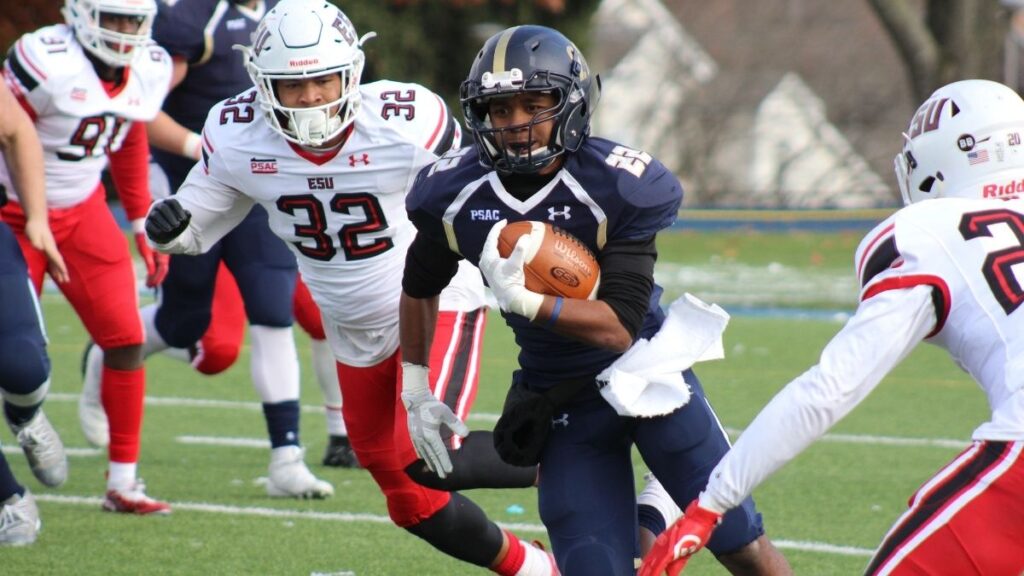
Assessing the Tactical Impact of NFL Coaching Shuffles in 2025 Season
The National Football League, echoing the collegiate upheaval, has seen its own wave of coaching transitions that continuously recalibrate team strategies. From head coaches to coordinators, franchises prioritize immediate results while cultivating future potential. The firing of offensive or defensive coordinators mid-season reflects a growing impatience with stagnant schemes, aiming to restore momentum before playoff races tighten.
Teams such as the Houston Texans hired Slade Nagle as offensive coordinator after dismissing Kasey Dunn, signaling an intent to reboot offensive play-calling with a fresh mindset. West Virginia named Jeff Koonz as interim defensive coordinator after parting ways with Jordan Lesley. The Brigades recognize that defensive bottlenecks heavily influence final outcomes, and nervous coaching staffs are no longer hesitant to implement mid-season course corrections.
Moreover, head coaching positions witnessed notable transitions, with historic franchises embracing new leadership to galvanize their franchises. These shifts have strong ripple effects in player personnel choices, practice regimens, and in-game adjustments. The interlocking dynamic between coaching philosophies and roster construction is more evident than ever with teams tailoring their talent to fit emerging scheme themes, such as spread offenses and hybrid defensive fronts.
- Midseason coordinator firings often aim at improving units already underperforming statistically.
- Teams increasingly value coaches capable of integrating analytics into decision-making.
- New coaches emphasize fast-paced offensive play to maximize modern athletes’ skillsets.
- Defensive innovations focus on versatile fronts counteracting spread-specialized offenses.
| Team | Departed Staff | New Hire | Strategic Shift | Projected Outcomes |
|---|---|---|---|---|
| Houston Texans | Kasey Dunn (OC) | Slade Nagle | High-tempo offensive refresh | Improved scoring efficiency |
| West Virginia | Jordan Lesley (DC) | Jeff Koonz (Interim DC) | Defensive restructuring focused on pressure packages | Enhanced defensive resilience |
These coaching shakes significantly influence fantasy football projections, especially for offensive skill players adapting to new systems. Platforms like Sports Illustrated and ESPN provide ongoing analysis of how these transitions tweak fantasy stock valuations.
Cultural Shifts in Locker Rooms: Leadership’s Role in Team Chemistry
Beyond tactical deliveries, coaching changes reverberate profoundly within locker room cultures — the unseen engine driving consistent performance. Introducing new staff often resets unspoken hierarchies and team dynamics, influencing motivation, accountability, and trust among players. The capacity for new coaches to inspire cohesion swiftly mitigates disruption and can transmute a fractured locker room into a united front.
Recent cases underscore this vital connection. For instance, Georgia Tech’s decision to part ways with special teams associate head coach Ricky Brumfield and appoint senior advisor Tim Salem reflected a strategic move to redefine roles and inject fresh leadership energy. Similarly, Kennesaw State’s hiring of Jerry Mack from the Jacksonville Jaguars speaks to programs actively sourcing coaches with professional experience to modernize culture and drive results.
Coaches’ leadership styles play a crucial role: some leverage discipline and order, while others embrace emotional connection and player empowerment. These approaches deeply affect the day-to-day interactions shaping practice intensity, learning environments, and resilience under pressure. In a landscape crowded with elite talent and global fans, enhancing cultural strength is as vital as scheme compatibility.
- New coaching hires often reshape team norms and player responsibilities.
- Leadership changes can impact mental health support and player welfare focus.
- Coaching communication styles evolve to integrate generational shifts in athlete expectations.
- Positive locker room culture correlates strongly with sustained winning records.
| Program | Leadership Change | Cultural Focus | Player Reaction | Early Outcomes |
|---|---|---|---|---|
| Georgia Tech | Special Teams Coordinator Replacement | Renewed discipline and collaboration | Mixed initial feedback, growing buy-in | Improved special teams execution |
| Kennesaw State | Head Coach New Hire | Professionalism infusion and motivation | High enthusiasm from players | Early wins and positive energy |
The intensity of fan loyalty fuels intricate narratives around coaching stability. Brands such as Red Bull and New Balance notice how shifts in leadership ripple beyond playing fields into merchandising and marketing strategies, deepening fan connections.
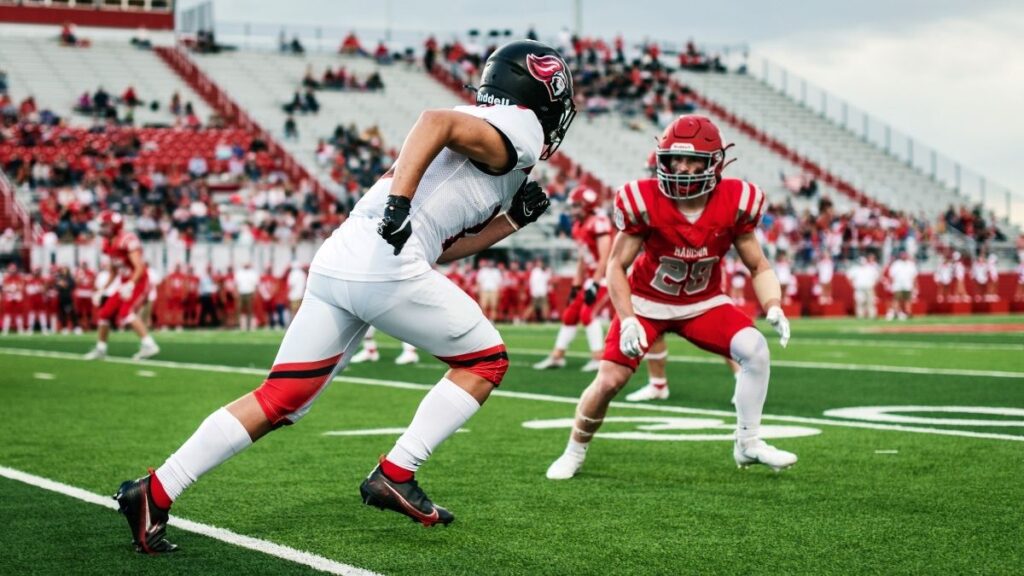
Brand Influence and Commercial Impact Linked to Coaching Stability
Coaching changes not only alter on-field tactics but also significantly influence brand partnerships and commercial avenues. Sponsors like Gatorade, Nike, and Under Armour capitalize on coaching narratives to build dynamic campaigns that resonate with fan emotions during pivotal moments of transformation. These brand stories often emphasize perseverance, renewal, and the relentless pursuit of excellence — values embodied in coaching transitions.
For franchises, stable coaching staffs underpin consistent brand messaging, while coaching turmoil often triggers marketing recalibrations. Social media buzz and fan engagement metrics spike during major changes, which brands leverage to deepen emotional resonance with their audiences. High-profile hires generate media coverage across platforms like ESPN and Bleacher Report, increasing sponsorship visibility.
- Coaching announcements prompt surges in merchandise sales and digital engagement.
- Brands tailor campaigns to align with fresh team identities and philosophies.
- Stable coaching environments correlate with long-term lucrative sponsorship deals.
- High-profile coaching hires offer opportunities for co-branded content and experiential marketing.
| Brand | Engagement Strategy | Associated Coaching Narrative | Fan Response | Commercial Outcome |
|---|---|---|---|---|
| Nike | Highlighting resilience and innovation | New coach revitalizing team spirit | Strong fan enthusiasm and social shares | Increased merchandise sales |
| Gatorade | Emphasizing perseverance through adversity | Midseason coaching shakeups | Heightened engagement during playoffs | Boosted product consumption |
These commercial waves illustrate how football coaching changes penetrate every layer of the sport business ecosystem — from grassroots fan allegiance to multinational marketing strategies.
Analyzing Future Trends: Coaching Instability and Its Effects on Player Performance
Looking ahead, the pattern of coaching instability is poised to influence player trajectories and team development further. The volatile environment created by frequent coaching turnovers challenges athletes’ ability to acclimate to new systems and expectations rapidly. This scenario demands a new breed of adaptable competitors capable of excelling despite shifting guidance.
For quarterbacks and skill position players, coaching transitions often mean adjustments in play-calling styles and offensive philosophies. Emerging stars and veterans alike must quickly assimilate new terminology and timing, which can lead to uneven performances but also invigorate careers when aligned well.
Teams increasingly recognize the need to support players’ mental and emotional well-being during such periods through improved resources and leadership programs. The pressure cooker atmosphere may be tempered by growing awareness of psychological wellness vital to sustaining peak physical output. This comprehensive approach is likely to redefine player-coach relations and foster more resilient squads.
- Players must demonstrate versatility to thrive amid frequent coaching changes.
- Coaching hires increasingly factor in player development philosophies and emotional intelligence.
- New training methodologies emphasize cognitive flexibility and resiliency.
- Player adaptability correlates strongly with teams’ overall competitive success.
| Player Position | Challenges from Coaching Changes | Adaptation Strategies | Potential Benefits | Examples |
|---|---|---|---|---|
| Quarterbacks | New offensive systems and playbooks | Increased film study and communication | Enhanced tactical knowledge and leadership | Rising stars showing rapid growth under new coordinators |
| Wide receivers | Route adjustments and timing changes | Expanded training on route versatility | More dynamic and unpredictable offense | Examples of breakout seasons after coaching shifts |
The nexus of coaching change and player adaptation creates a dynamic, high-stakes environment that promises thrilling narratives and continuing evolutions in the beautiful game. Fans tracking every development through news outlets and analytics platforms can witness firsthand the intricate dance of football’s next chapter.